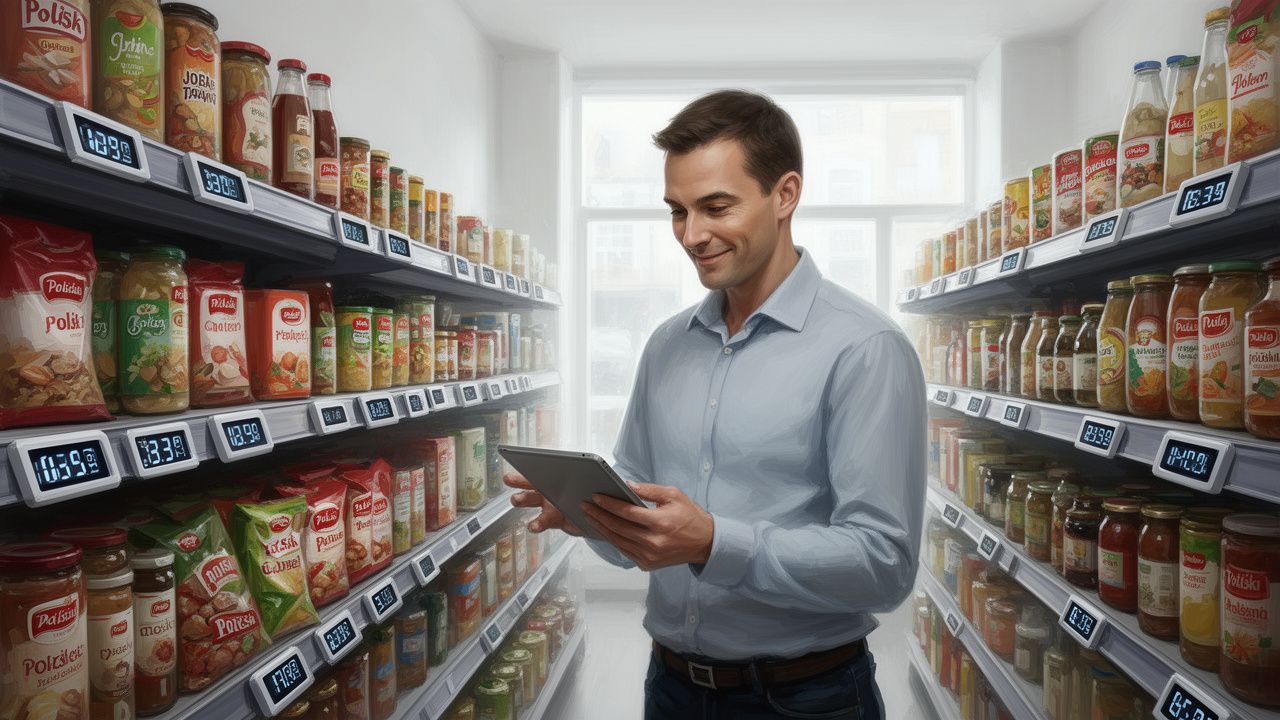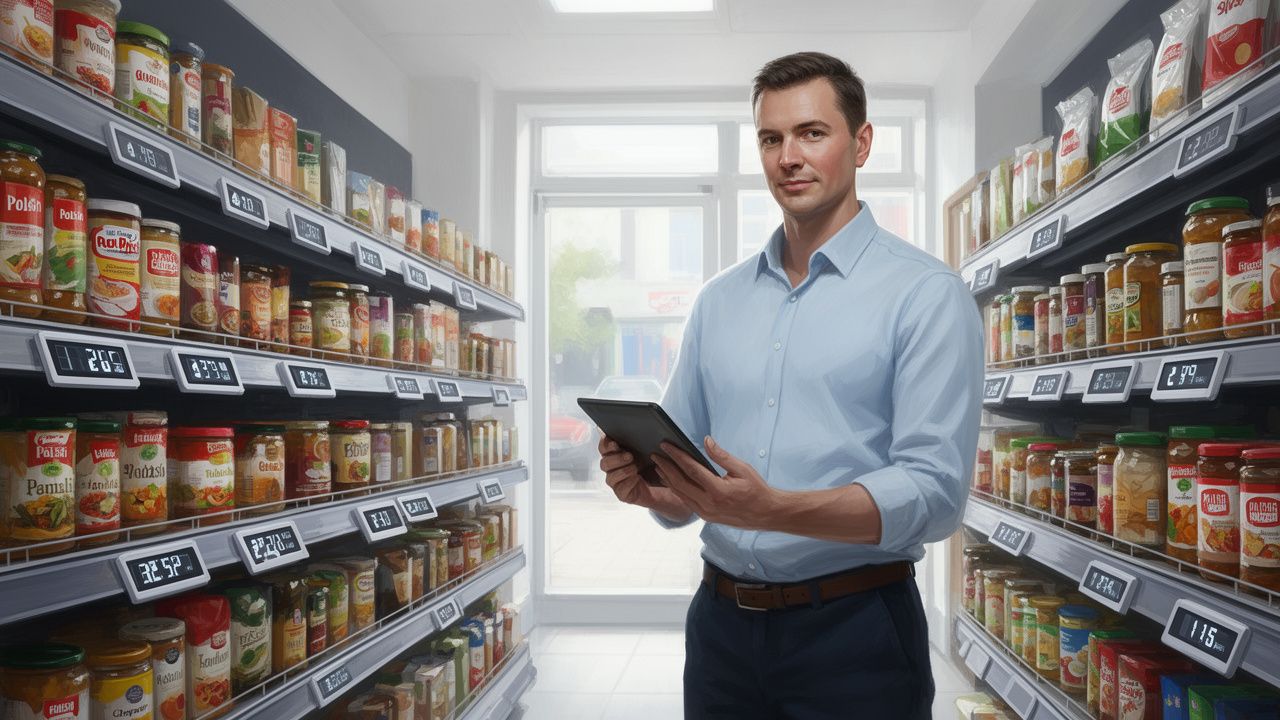


Modern technologies such as electronic shelf labels can revolutionize the way grocery stores are managed in the UK. Find out how ESL affects operational efficiency and cost management!

In the face of increasing customer demands and competition, grocery store owners in the UK are increasingly seeking solutions that allow for more efficient management. Electronic shelf labels (ESL) are one of the most modern technologies that not only increase automation but also save time and money. It’s time to take a closer look at what this innovative solution entails.
Electronic shelf labels use e-paper technology to display product information. With them, prices, descriptions, or promotions can be quickly updated without the need to replace traditional paper labels. These systems connect to central software that enables remote management. This means that price changes can be implemented in a matter of seconds, regardless of the number of labels in the store.
Store owners can save time by eliminating the need for manual price changes. For example, the owner of a medium-sized store in Sheffield noticed that with ESL, he could save up to 20 hours a month that he previously spent updating prices, allowing him to focus on other aspects of running the business.
There is a common belief that electronic shelf labels are reserved for large supermarkets, but that’s not true. Implementing ESL is becoming increasingly cost-effective for smaller grocery stores as well. A small store in Birmingham decided to adopt the ESL system after the owner noticed that customers frequently asked about promotions. As a result, the investment in ESL led to higher sales and reduced labor costs.
ESL systems allow for easy tracking of product prices and their margins, significantly simplifying cost management. The owner of one of the stores in London shared that using ESL allowed him to reduce product surpluses by 30% because he could quickly adjust prices to current market conditions.
Introducing electronic shelf labels brings many benefits: from time savings to easier price management, to better communication with customers. Store owners who have implemented this technology usually notice an increase in customer satisfaction and better financial results. For example, the owner of a store in Manchester, after a year of using ESL, recorded a 15% increase in sales.
Transformations in the retail market in the UK favor further development of ESL technology. It is worth investing in electronic shelf labels now, before they become the norm in every grocery store. As part of reorganization and adaptation to a dynamically changing business environment, ESL can become a key tool for owners of small and medium grocery stores.
The decision to implement electronic shelf labels should be based on a long-term vision for the store’s growth and needs. They are not just for large markets – they also bring benefits to smaller businesses. It is worth looking into this sooner rather than later. If you want to know more about technologies that can improve the efficiency of your store, get in touch!