

Are you wondering what costs await you when your stores do not use modern solutions? In this article, you will discover how much the lack of automation truly costs Polish grocery stores in the UK.

Owners of Polish grocery stores in the UK often face daily challenges that impact the efficiency of their businesses. You may be wondering how much the absence of automation can affect your finances. In this article, we will look at costs that might not be immediately obvious, which can result from manual processes.
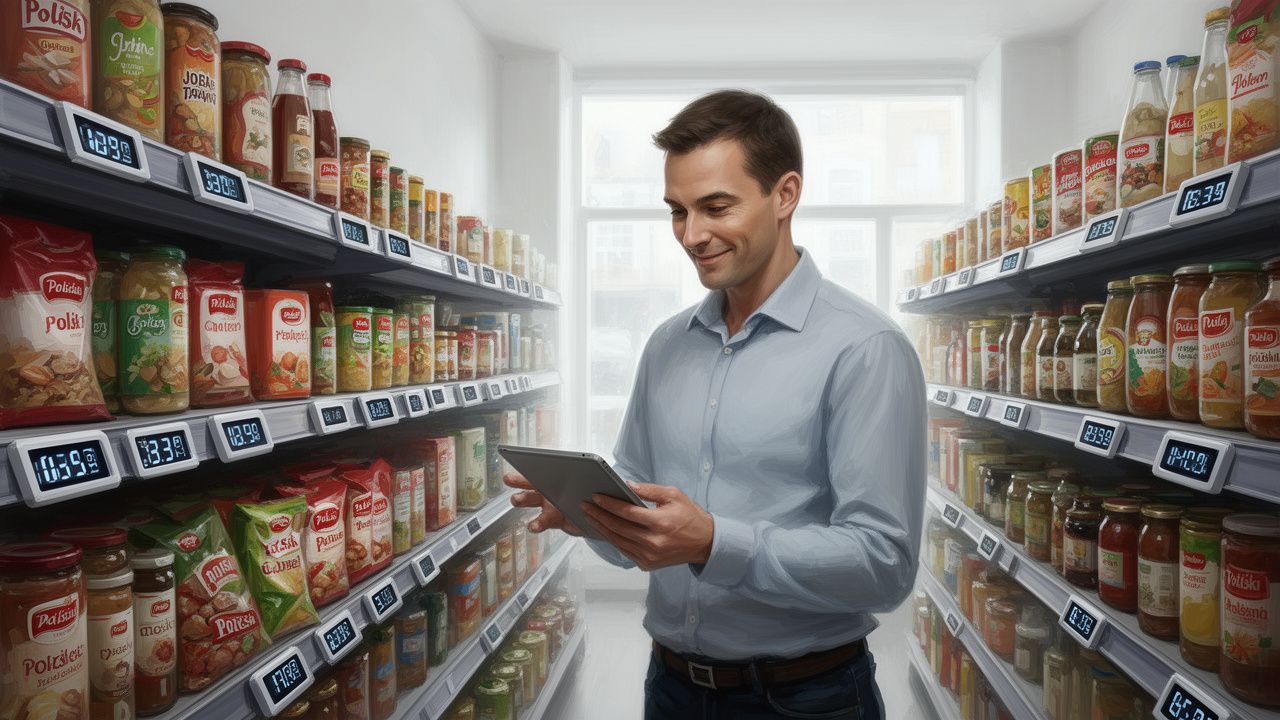
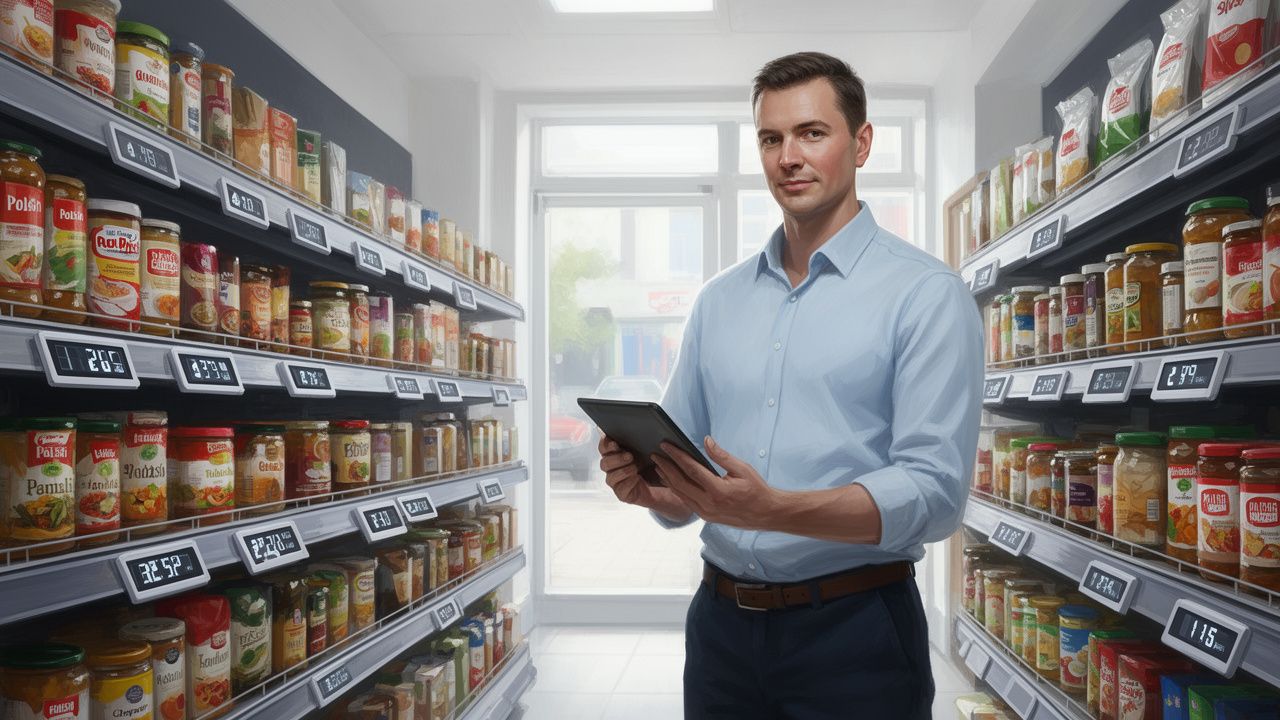
Modern technologies, such as POS systems, ESLs (electronic shelf labels), and Digital Signage, allow for significant efficiency improvements. With these solutions, owners can focus on what matters most – meeting customer needs. The lack of these solutions is not just a waste of time, but also a source of financial losses.
Do you know how many hours per week your employees spend entering prices manually or servicing customers? For instance, in a London store, owners observed that their employees spent an average of 10 hours a week on price updates, which translates to 520 hours annually. If the average labor cost of an employee is around £15 per hour, the annual cost of manual price entry amounts to £7,800. If an ESL system were implemented, this cost could be reduced to just £2,000 per year.
Manual data entry carries the risk of errors that affect customer experience. Honestly, undesirable mistakes can deter customers, leading to a drop in sales. In studies conducted in a store in Manchester, it was found that incorrect prices led to a revenue drop of about 10%, which, for an average annual sale of £850,000, translates to lower sales of £17,000.
Delaying customer service processes through manual data entry means your customers may look for alternatives. Utilizing modern solutions would enable customers to be served faster, undoubtedly translating into greater satisfaction and loyalty. The cost of losing loyal customers is difficult to estimate, but it can have serious long-term consequences.
In a relatively new Polish grocery store in Edinburgh, a POS system was implemented after the first month of operation. The introduction of automation allowed for more time to build relationships with customers and decreased labor costs by 20% annually. Another location in Liverpool implemented ESL and noticed that pricing errors decreased by 75%, positively affecting sales growth.
The lack of automation in your grocery store is not just a comfort threat but also a source of real financial losses. It’s worth considering these solutions before too much time and money are wasted. The sooner you choose to automate, the more benefits it will bring to your business. It’s time for a change!