

Summer is harvest time for beverage and ice cream sales. Discover 7 strategic display ideas that will attract customers and increase margins by leveraging data from your POS system and modern technologies like ESL. Prepare your store for the seasonal peak.
Summer in the UK can be unpredictable, but as soon as the sun comes out, customers flock for cold drinks and ice cream. This presents a huge opportunity for your store to increase margins, but also a risk of chaos and lost profits. A well-planned display is the key to turning seasonal demand into real, measurable pounds.
Impulse buying rules in the summer, and you can manage it consciously. Instead of randomly placing products, approach it strategically. The following steps will organize your actions and allow you to fully leverage the potential of the hottest months of the year.
Before you move even one bottle, take a look at the data. A modern POS system is not just a cash register – it’s your analytical center. Check which drinks and ice creams sold best last year. Identify which days of the week and hours brought the most traffic in these categories. You may discover that on Friday afternoons, you sell the most family-sized ice creams, while energy drinks and bottled water dominate mid-week. This information is invaluable when planning orders and product placement. This way, you avoid tying up capital in slow-moving goods and ensure the availability of absolute bestsellers.
A planogram is a visual layout of product placement on shelves. It sounds complicated, but in practice, it’s a simple diagram that brings order and maximizes sales. Instead of tossing all drinks into one fridge, group them logically. Place isotonic drinks next to mineral water. Position children’s juices on lower shelves, at the eye level of small customers. Cold brew, as a premium product, should be located in a well-exposed spot, ideally next to sweet snacks that pair perfectly with it. Similarly, with ice creams – place popsicles and cones (impulse purchases) in one freezer, and family-sized packs in another. A good planogram guides the customer by presenting them with additional products.
Once your shelves are in order, it’s time to increase basket value. Cross-selling is simply offering complementary products. Next to the ice cream freezer, set up a stand with toppings, sprinkles, and cones. Place cookies or granola bars next to the cold brew fridge. You can go a step further and create ready-made promotional sets in the POS system. For example, a store in Manchester introduced a “Family Ice Cream + Topping” set in their system with a 10% discount. As a result, sales of chocolate toppings increased by over 40% in the first month, significantly boosting the margin on the entire transaction.
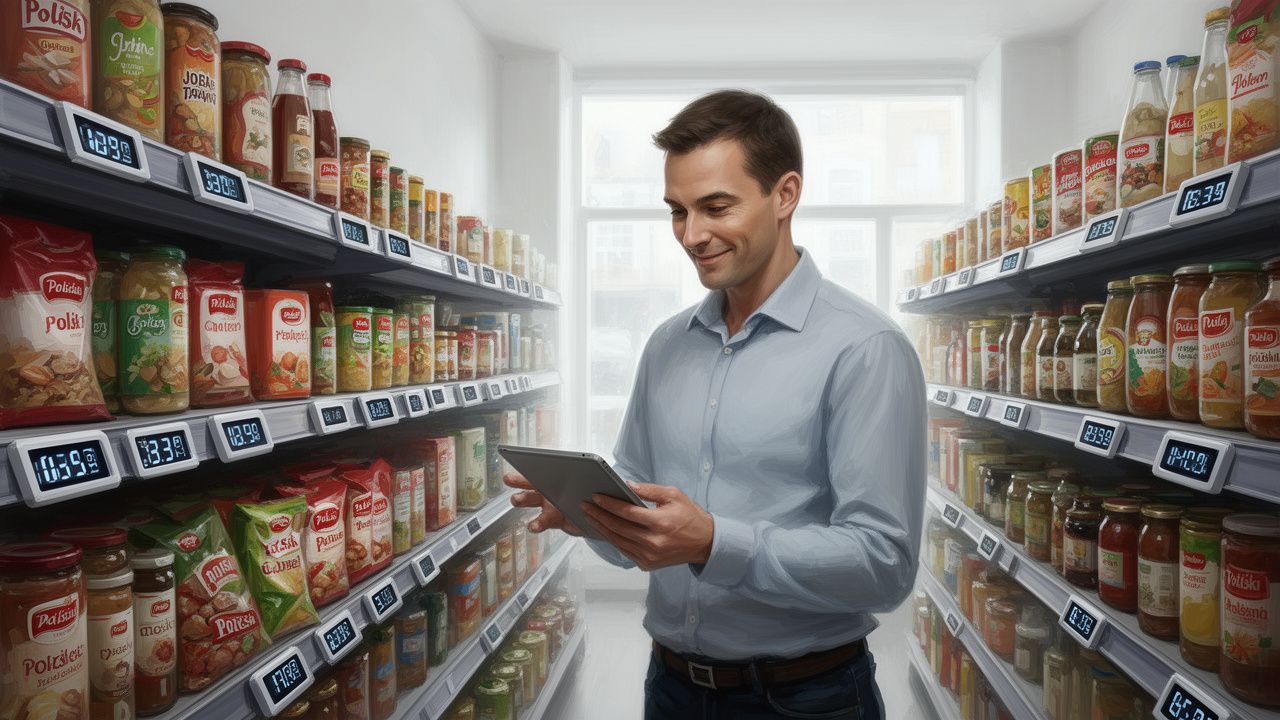
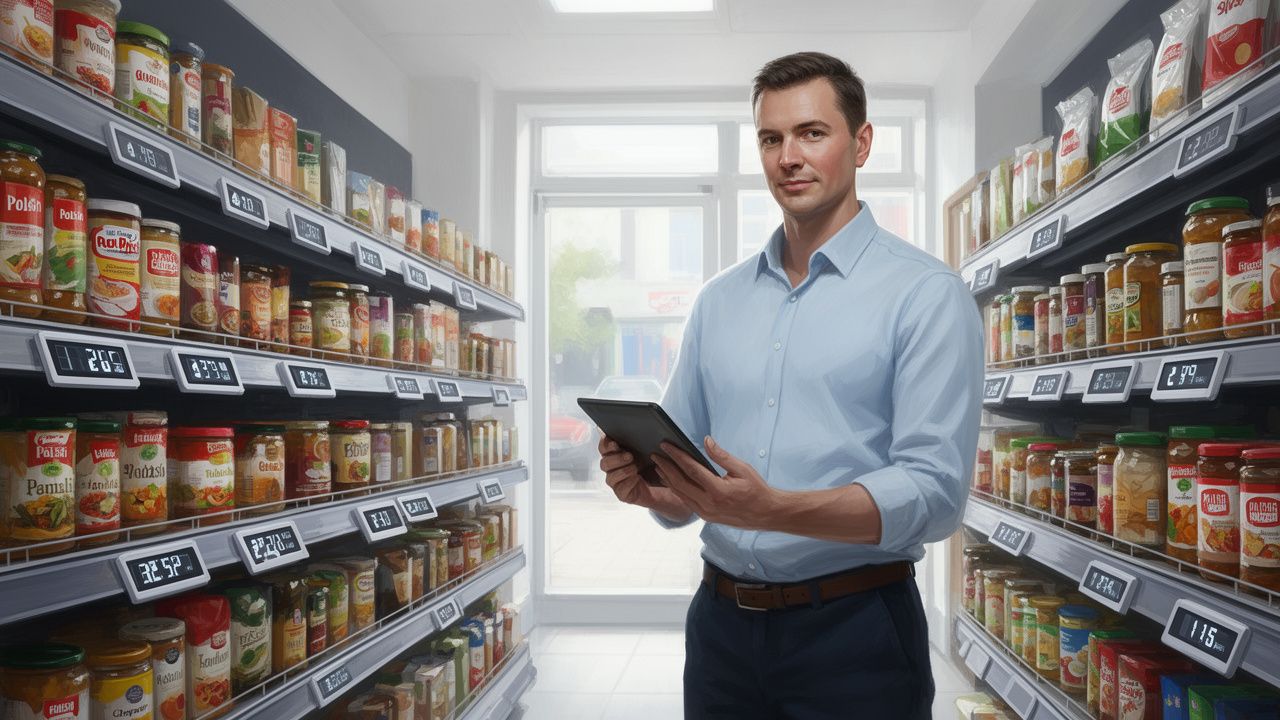
Manually changing price tags and printing promotional posters is a thing of the past. Electronic shelf labels (ESL) allow you to change prices throughout the store with one click. Imagine a “Happy Hour” for ice cream during the hottest hour of the day – you lower the price for 60 minutes, and after the promotion, it returns to normal without involving staff. Meanwhile, Digital Signage, or advertising screens, is the perfect tool for promoting summer hits. Instead of a static poster, you can display an enticing video of a cold drink with condensation forming on it. This appeals to the imagination and generates an immediate need to purchase.
Introducing seasonal changes raises many questions. Below we’ve gathered the most common ones we hear from store owners like you and provide specific answers.
Not necessarily, although a dedicated, well-lit fridge certainly elevates the product’s prestige and catches the eye. However, if space or budget is limited, there is an effective solution. Designate a dedicated, prime shelf (at eye level) in your existing drink fridge for cold brew. Use organizers or dividers to clearly separate it from cheaper products. It’s crucial that the customer immediately notices that this is a premium product. You can also use an ESL label in a different color to further highlight this area.
Before changing suppliers, check three other factors. First: location. Is the freezer not sitting in a forgotten corner of the store? The best spot is near the checkout or the main traffic flow. Second: visibility. A dirty, frosty glass on the freezer acts as an anti-advertisement. Keep it clean. Third: price and promotion. Analyze in the POS system how your prices compare to data from previous months. Perhaps a small price drop or a “2 for 1 free” promotion will trigger sales. A store owner in Leeds moved a small impulse freezer with ice creams right before the checkout and used Digital Signage to promote “Ice Cream of the Day.” Sales of popsicles increased by over 30% on hot weekends.
The fastest and most efficient way is to combine electronic shelf labels (ESL) with Digital Signage screens. Changing the price on the ESL label takes a few seconds and can be done from a computer or tablet. At the same time, you can display a graphic on the screen informing about the promotion, e.g., “All Tymbark drinks -20% until 6 PM!” This eliminates the need for printing and hanging posters, saves staff time, and allows for quick responses to changes in weather or product deliveries.
This is a common concern, but completely unfounded in the case of modern POS systems. Advanced software allows for creating so-called composite products. You define in the system a “Summer Set” consisting of one bottle of cold brew and one cookie. When the cashier sells such a set by scanning one code, the system automatically deducts both components from the inventory – one bottle and one cookie. This way, you have full control over stock without additional work and the risk of errors.
Cold brew is much more than a trend – it’s a stable and still growing segment of the coffee market. Customers, especially younger generations, are looking for alternatives to sugary sodas and hot coffee. Cold brew is perceived as a healthier, natural, and artisanal product. By introducing it to your offer, you not only satisfy existing demand but also build your store’s image as a modern place that keeps up with trends. Moreover, the margin on cold brew is usually significantly higher than on traditional drinks, making it a strategically important element of the summer offer.
The summer months are a marathon, not a sprint. Instead of putting out fires and reacting on the fly, it’s better to prepare in advance. Check how technology can automate your promotions, streamline inventory management, and free up your time before the sales season kicks off.