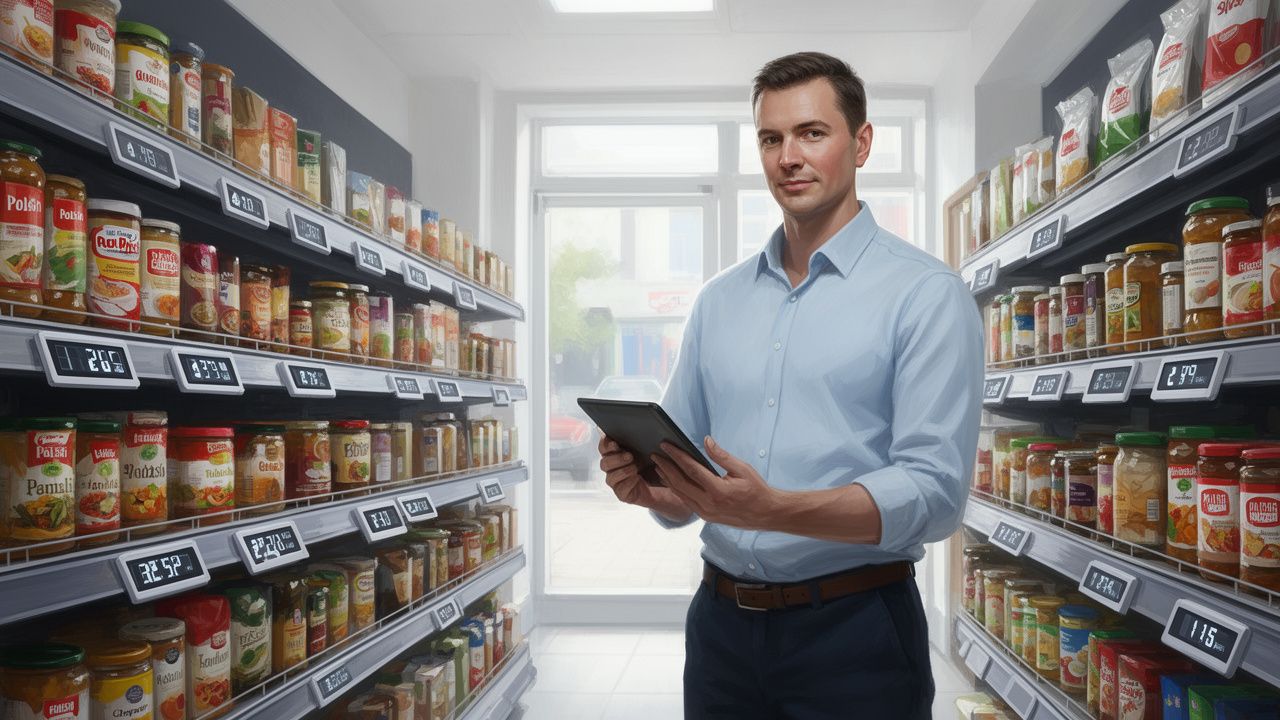
Dark Store in the basement? The micro-fulfillment model for click&collect

Are online orders blocking aisles and irritating customers in the store? Discover how to transform an unused basement or backroom into an efficient micro-fulfillment center (dark store) and automate the click&collect process. See a specific example of how one store tripled its efficiency, regaining control and peace.
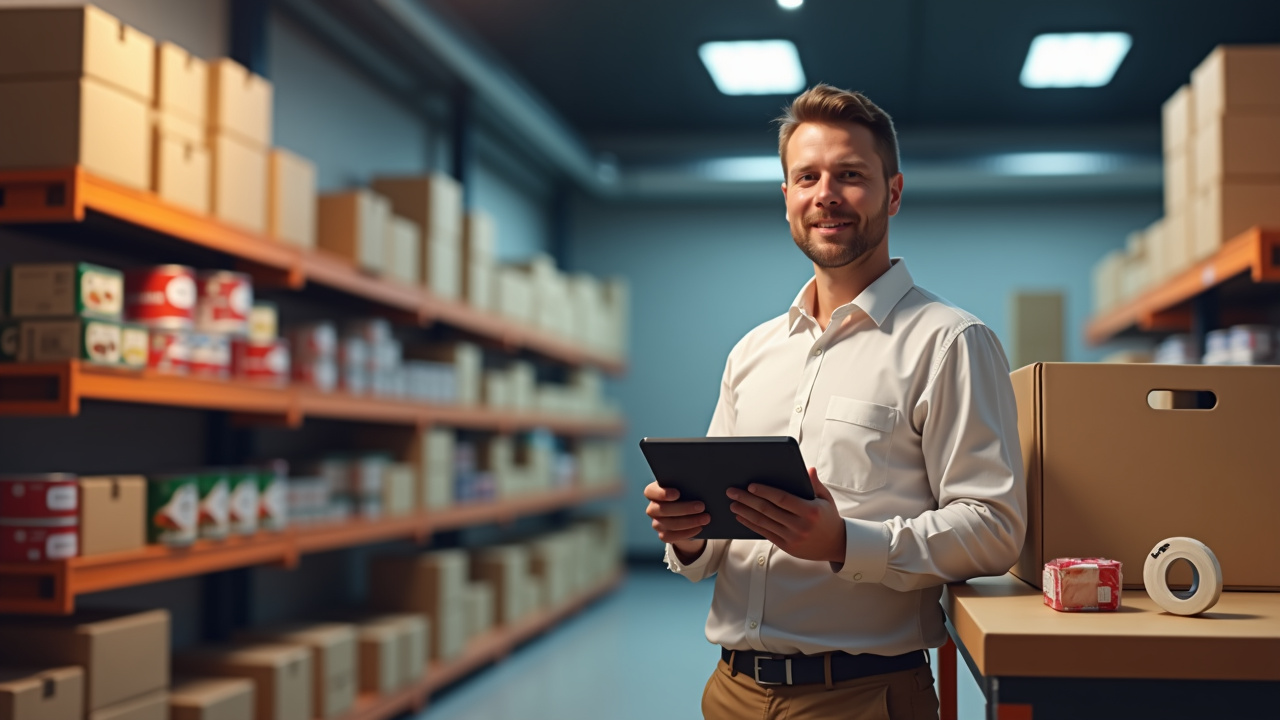
Dark Store in the basement? The micro-fulfillment model for click&collect

The growing number of online orders doesn’t have to mean chaos in your store. Instead of blocking aisles and frustrating staff, you can transform unused space into a profit center. Discover how the micro-fulfillment model is revolutionizing click&collect service in Polish grocery stores.

What exactly is a micro-fulfillment center in the “dark store” model?

Many store owners, upon hearing the term “dark store,” imagine large, automated warehouses on the outskirts of the city, inaccessible to customers. This is true, but only partially. In the context of an existing grocery store, we are talking about a much simpler and cheaper implementation: a micro-fulfillment center. This is a designated, customer-restricted area – a basement, a larger backroom, or even an adjacent garage – that is entirely dedicated and optimized for one purpose: fast and accurate online order picking.

It’s more than just a regular backroom

Every store has a backroom. However, it mainly serves to receive deliveries and store surplus goods. There is often a controlled chaos dictated by the rhythm of deliveries rather than the needs of order picking. An employee searching for products for an online order has to maneuver between pallets, boxes, and goods waiting to be shelved. This is a waste of time and a source of errors.

A micro-fulfillment center is a completely different philosophy. It’s not a warehouse, but a production line for orders. The space is organized not according to delivery logic but ergonomics and speed of picking. The most frequently ordered products online are at hand, pathways are clear and logical, and everything is integrated with the POS system and e-commerce platform. The employee does not run around the main store, disturbing customers and themselves, but completes tasks in a dedicated, calm environment.

Key benefits of implementing a micro-fulfillment center

The decision to allocate such a space is not a cost but an investment that pays off on many levels. The most important benefits include:

  • Increased efficiency: The employee no longer has to compete for space with customers in the store. Picking an order in an optimized micro-fulfillment center is 3-4 times faster.
  • Reduction of errors: The integrated system guides the employee step by step, indicating the exact location of the product. This drastically reduces the number of errors in orders and related complaints, directly impacting the store’s reputation.
  • Better customer service in the physical store: No more blocking aisles with carts of online orders. The staff on the sales floor can fully focus on serving customers who came to shop in person.
  • Optimization of inventory management: The system dedicated to e-commerce provides precise data on which products rotate the fastest in the online channel. This allows for better planning of stock for the micro-fulfillment center and avoids situations where a popular product is available on the store shelf but “runs out” in the online system.
  • Restored peace and time for the owner: Less chaos, fewer errors, and fewer complaints from customers mean a calmer work environment for the entire team and fewer fires to put out for you as a manager or owner.

How a store in Manchester turned chaos into a money-making machine

Implementation stories best illustrate the potential of this concept. Take Mr. Marcin, the owner of a well-established Polish store in Manchester. His business was growing, as was the popularity of the click&collect option. Unfortunately, this success began to generate problems that threatened further development.

Starting point: Growing orders and paralyzed store

The situation in Mr. Marcin’s store was becoming critical. Two employees were almost full-time engaged in picking online orders. They ran around the store with carts and product lists, often blocking passages and irritating in-store customers. Despite their efforts, the average preparation time for one order was nearly 20 minutes, and mistakes occurred in one out of every five orders. During peak hours, lines at the checkout grew longer because the staff was busy looking for “that specific jar of pickles.” Mr. Marcin spent hours solving problems and putting out fires instead of planning for growth.

Diagnosis and solution: The basement becomes an operational center

During consultations, we identified an unused, slightly damp basement as the ideal place for a micro-fulfillment center. The room was dried, repainted, and equipped with simple but sturdy metal shelves. A key element was the implementation of software that integrated the e-commerce platform with the POS system. A tablet was mounted on the wall, becoming the command center. It displayed a list of orders, and upon selecting one, it generated the optimal picking path, guiding the employee from shelf to shelf. In the central point stood a packing table with all necessary materials and a label printer. The best-selling online products (about 300 SKUs) were moved to the basement.

Measuring the effects: Numbers that speak for themselves

The transformation brought immediate, measurable results. After the first month of the micro-fulfillment center’s operation, the data was clear:

  • The average order picking time dropped from 20 to just 6 minutes.
  • The error rate in orders decreased from 20% to below 1%.
  • Two employees were able to handle three times as many online orders in the same time, without stress and running around.
  • In-store customer satisfaction increased, which translated into higher average basket values.
  • Mr. Marcin regained control over the process and about 10 hours a week that he could dedicate to strategic management of the business.

A similar success was achieved by a smaller store in Reading, which adapted an adjacent garage into a micro-fulfillment center. Thanks to a simple shelving system and integration with POS, the owner was able to increase the capacity of click&collect orders by 50% without hiring an additional person, which directly translated into increased profitability.

Summary of key findings

Implementing the micro-fulfillment model is a strategic step for any Polish store in the UK that is serious about scaling online sales. This is not a solution reserved for giants – it can be implemented in any space, even a small one.

  • Investment, not cost: Treat the adaptation of the backroom, basement, or garage as an investment in efficiency and future profits.
  • Organization is key: Create a logical arrangement of products and clear work paths to minimize picking time.
  • Technology is your ally: Integrating the e-commerce platform with the POS system is the brain of the entire operation, automating tasks and eliminating errors.
  • Synergy effect: You gain not only in the online channel. You also improve the experience of customers in the physical store and regain invaluable time for management.

Start acting before the competition overtakes you

The upcoming busy shopping season is the perfect time to critically review your processes. Instead of adding hands to work in a chaotic system, invest in organizing it. A well-organized click&collect model based on a micro-fulfillment center means a calmer mind, a satisfied team, and measurable financial benefits.
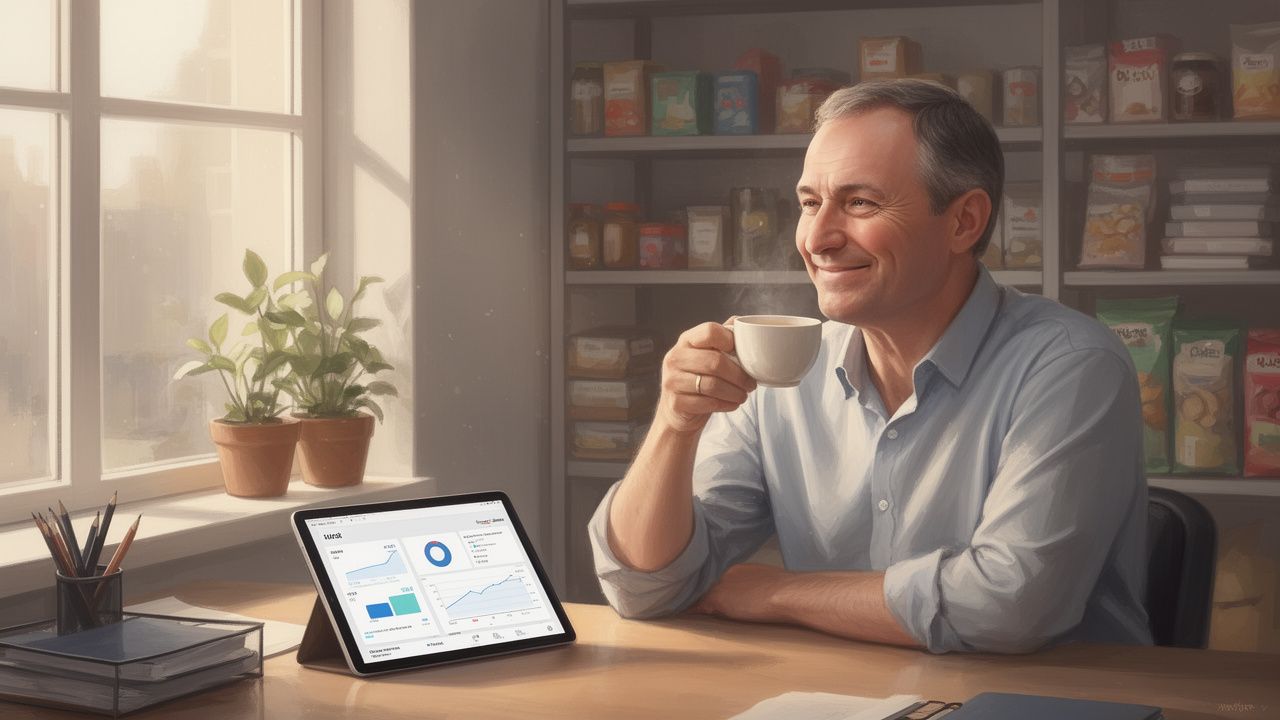
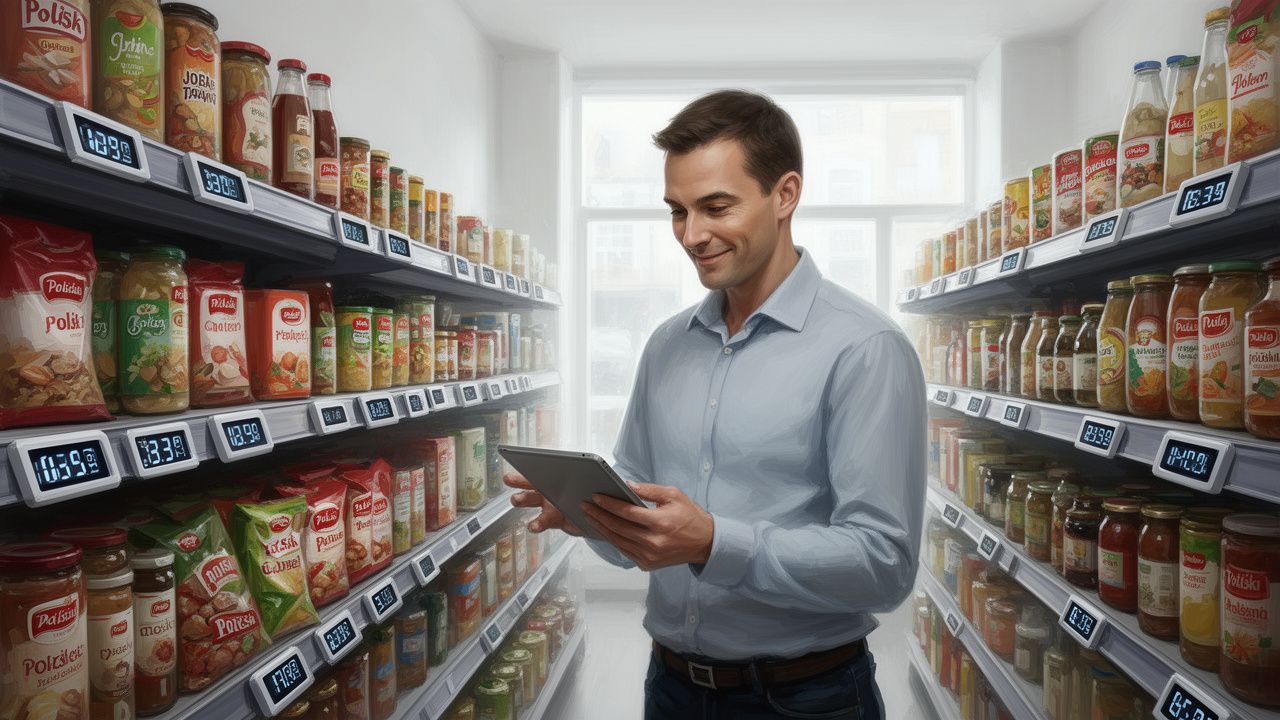
Have additional questions?

You might also be interested in

Analytics 101: How to Read Sales Reports in Your POS System 03/02/2026

Analytics 101: How to Read Sales Reports in Your POS System

Do you feel that your POS system is just a modern cash register, and the piles of reports overwhelm rather than help? Discover the story of a store owner who turned chaos in data into the key to regaining control, savings, and – most importantly – free time for themselves and their family. Find out how simple sales reports can revolutionize your workday.

Read more
Case study: 24-hour pickup kiosk in Sheffield – insights after 6 months 27/01/2026

Case study: 24-hour pickup kiosk in Sheffield – insights after 6 months

Is your store losing customers after closing hours? Discover how a store in Sheffield, through a 24-hour pickup kiosk, not only increased sales but also debunked the 5 biggest myths about automation in retail. See the real results after 6 months.

Read more
Dark Store in the basement? The micro-fulfillment model for click&collect 20/01/2026

Dark Store in the basement? The micro-fulfillment model for click&collect

Are online orders blocking aisles and irritating customers in the store? Discover how to transform an unused basement or backroom into an efficient micro-fulfillment center (dark store) and automate the click&collect process. See a specific example of how one store tripled its efficiency, regaining control and peace.

Read more