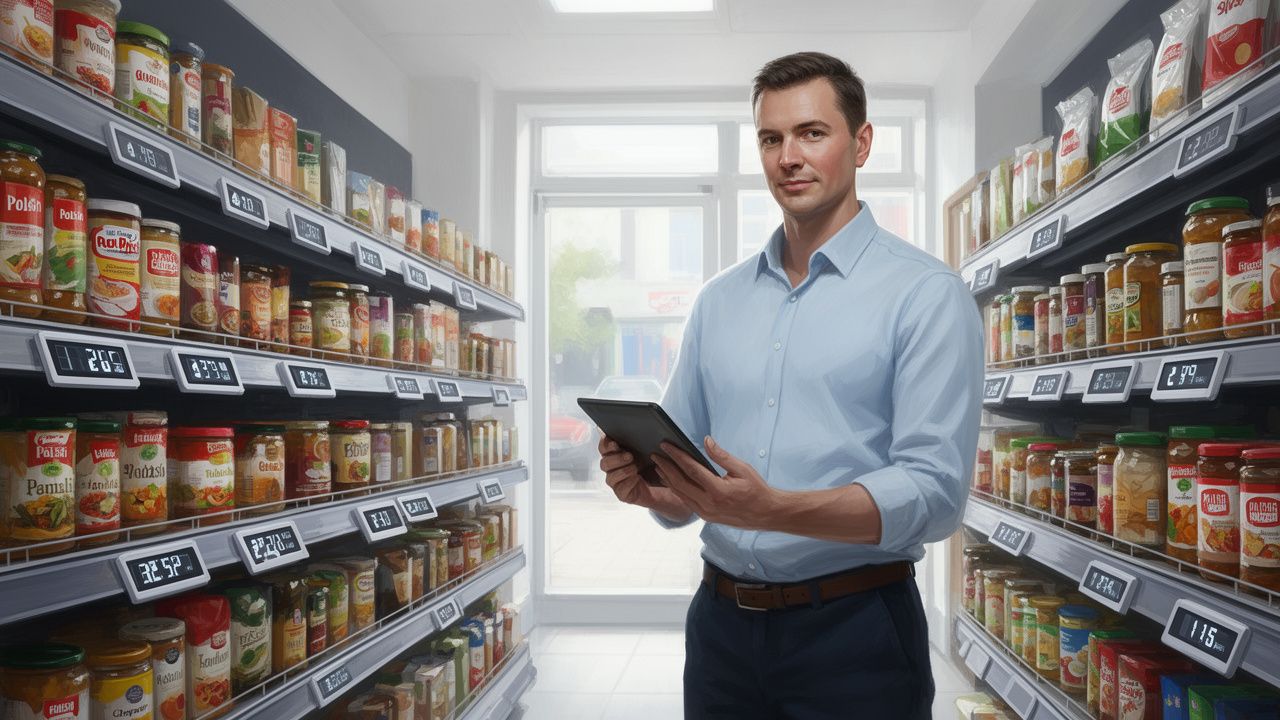
Will Your Shop Pass the Inspection? Key Phytosanitary Requirements in the UK You Need to Know!

Before the holidays, one of our clients underwent an inspection by their local council, acting under FSA guidelines – https://www.food.gov.uk/ – and faced issues with missing mandatory labels on products. Discover what our client did and what steps you can take to always stay one step ahead of inspections.
Will Your Shop Pass the Inspection? Key Phytosanitary Requirements in the UK You Need to Know!

Every grocery store owner in the UK knows how crucial it is to comply with the regulations. But what happens when a local council inspection, acting under FSA guidelines (https://www.food.gov.uk/), catches you off guard at the least convenient moment? Today, we’re sharing the story of one of our clients who faced such an inspection right before the holidays. The result? A few labelling shortcomings and clear recommendations from the inspector. Fortunately, the necessary adjustments were implemented quickly. Find out what our client did and what steps you can take to always stay one step ahead of inspections.


Case Study – The Experience of a Grocery Store in the UK

Before the holidays, one of our clients underwent an inspection carried out by their local council. The result? Some food products on the store shelves were missing mandatory labels. The inspector recommended implementing key changes in labelling:

  • Including the address and name of the contact company in the United Kingdom (GB).
  • A complete list of ingredients in English.
  • Highlighting allergens (e.g., by using bold text).

This aligns with the requirements of Assimilated Regulation (EU) No 1169/2011, Article 15. This case served as a reminder of the importance of adhering to all phytosanitary requirements. Below are the specific recommendations given to the client:

New Phytosanitary Regulations in the UK from 2024

Since 31 January 2024, the United Kingdom has introduced stricter regulations on the import of food products. These regulations affect all grocery stores, which must adapt to the new requirements. Here are the key changes:

Health Certificates and Certifications

  • Animal-origin products (meat, dairy) require an Export Health Certificate (EHC).


  • Health certificates are mandatory for meat products and those based on raw milk. Dairy products that have undergone heat treatment are exempt from this requirement.

Inspections and Notifications

  • Importers must submit prior notifications for the import of meat and dairy products.
  • From 30 April 2024, physical and documentary sanitary and phytosanitary inspections will be implemented at the borders.

Risk Categorisation for Plant Products

  • Plant products have been classified into three risk categories: low, medium, and high.
  • Most fruits and vegetables from the EU do not require UK trade standard or health inspections.
  • High-risk products (e.g., plants for planting, certain seeds) require importer registration and a phytosanitary certificate.

Food Labelling Requirements for Shops

The UK prioritises consumer safety, which is why product labelling must comply with regulations. Key requirements include:

Ingredient Labelling

  • A complete list of ingredients in English.
  • Ingredients listed in descending order of weight.
  • Allergens highlighted (e.g., in bold or with a different colour).

Additional Information

  • The product name and usage instructions must be in English.
  • Non-compliance with regulations may result in financial penalties, product recalls, or a loss of customer trust.

Consequences of Non-Compliance with Recommendations

Failure to comply with phytosanitary requirements and labelling regulations can lead to serious consequences:

Violation of legal regulations

Failure to meet the requirements constitutes a breach of food labelling and safety regulations, which may result in legal liability.

Risk to Consumer Health

Incorrect allergen labelling can lead to severe allergic reactions, posing a risk to the health and lives of customers.

Financial Penalties

Regulatory authorities may impose substantial fines on shops that fail to meet the requirements.

Product Recalls

Non-compliant products may need to be withdrawn from the market, resulting in additional costs and financial losses.

Loss of Reputation

Non-compliance with regulations can deter customers and negatively impact the store’s image.

Delays in Deliveries

Documentation errors in imports can lead to goods being held at the borders, affecting delivery timelines.

How to Address Labelling Issues?

To meet the requirements of the local council (acting under guidelines from https://www.food.gov.uk/) and avoid the consequences of incorrect food product labelling, grocery stores can utilise modern technological solutions that not only simplify compliance but also enhance operational efficiency. Here are detailed insights into two proposed solutions:

Price Checker with Labelling Function

The price checker is an advanced device that, in addition to displaying product prices, includes built-in features to support compliance with labelling regulations.

How Does It Work?

  • After scanning a product’s barcode, the device automatically retrieves data on ingredients, allergens, expiration date, and country of origin.
  • This information is displayed on the device’s screen in the selected language, which is particularly useful for stores serving customers from diverse linguistic backgrounds.
  • Printing Capability: The device allows for quick printing of additional labels that include all required information in English, with allergens clearly highlighted in bold.

Benefits for the Store:

  • Time Savings through automatic retrieval of product data.
  • Reduction of Labelling Errors Risk
  • Customisation of the Device to the Store’s Specific Needs

Labeling Scales

Labeling Scales are specialized devices designed for fresh products such as meat, deli, and cheese. They combine the weighing function with automatic generation and printing of labels that comply with legal requirements.

Functionality:

  • After weighing the product, the scale automatically generates a label containing:
    • The product price based on its weight.
    • The expiration date and storage conditions.
    • A complete list of ingredients with highlighted allergens.
    • The name and address of the selling company (GB requirement).

Application:

  • Ideal for meat, dairy, and bakery departments.
  • The ability to integrate with inventory management systems (POS), allowing real-time updates of product data.

Benefits for the Store:

  • Full compliance with FSA requirements (https://www.food.gov.uk/).
  • Automated product labelling processes.
  • Professional-looking labels that enhance customer trust.

Why Choose These Solutions?

By implementing price checkers and labeling scales, stores can significantly simplify the labelling processes, avoiding the risk of fines and financial losses. Both devices are intuitive to use and can be tailored to the specific needs of each store. It is also important to note the possibility of integration with other systems, which enhances store management efficiency.

Conclusion

New phytosanitary regulations and labelling requirements in the UK may seem complex, but with the right tools and collaboration with experienced suppliers, grocery stores can easily adapt to the changes. Adopting tools like labelling scales and price checkers with labelling functionality will help you comply with local council regulations, save time, reduce errors, and improve customer service quality. This allows you to focus on growing your business and building a competitive edge in the market. If you need support or have any questions, feel free to contact us!

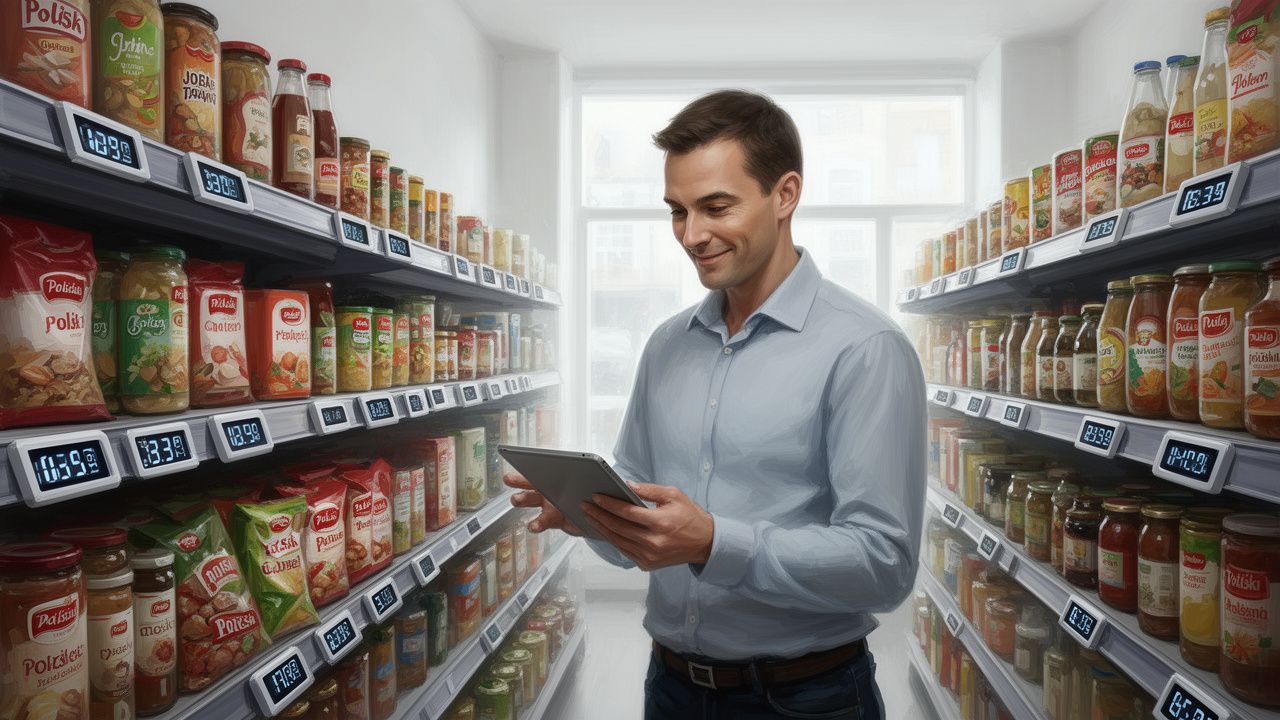
Have additional questions?

You might also be interested in

Analytics 101: How to Read Sales Reports in Your POS System 03/02/2026

Analytics 101: How to Read Sales Reports in Your POS System

Do you feel that your POS system is just a modern cash register, and the piles of reports overwhelm rather than help? Discover the story of a store owner who turned chaos in data into the key to regaining control, savings, and – most importantly – free time for themselves and their family. Find out how simple sales reports can revolutionize your workday.

Read more
Case study: 24-hour pickup kiosk in Sheffield – insights after 6 months 27/01/2026

Case study: 24-hour pickup kiosk in Sheffield – insights after 6 months

Is your store losing customers after closing hours? Discover how a store in Sheffield, through a 24-hour pickup kiosk, not only increased sales but also debunked the 5 biggest myths about automation in retail. See the real results after 6 months.

Read more
Dark Store in the basement? The micro-fulfillment model for click&collect 20/01/2026

Dark Store in the basement? The micro-fulfillment model for click&collect

Are online orders blocking aisles and irritating customers in the store? Discover how to transform an unused basement or backroom into an efficient micro-fulfillment center (dark store) and automate the click&collect process. See a specific example of how one store tripled its efficiency, regaining control and peace.

Read more