

December in retail is a marathon that often ends in exhaustion. But what if instead of chaos and overtime, you could gain control, higher profits, and time for family? Discover the story of the owner of a Polish store in London who, with the help of technology, turned the pre-holiday frenzy into a period of strategic growth.

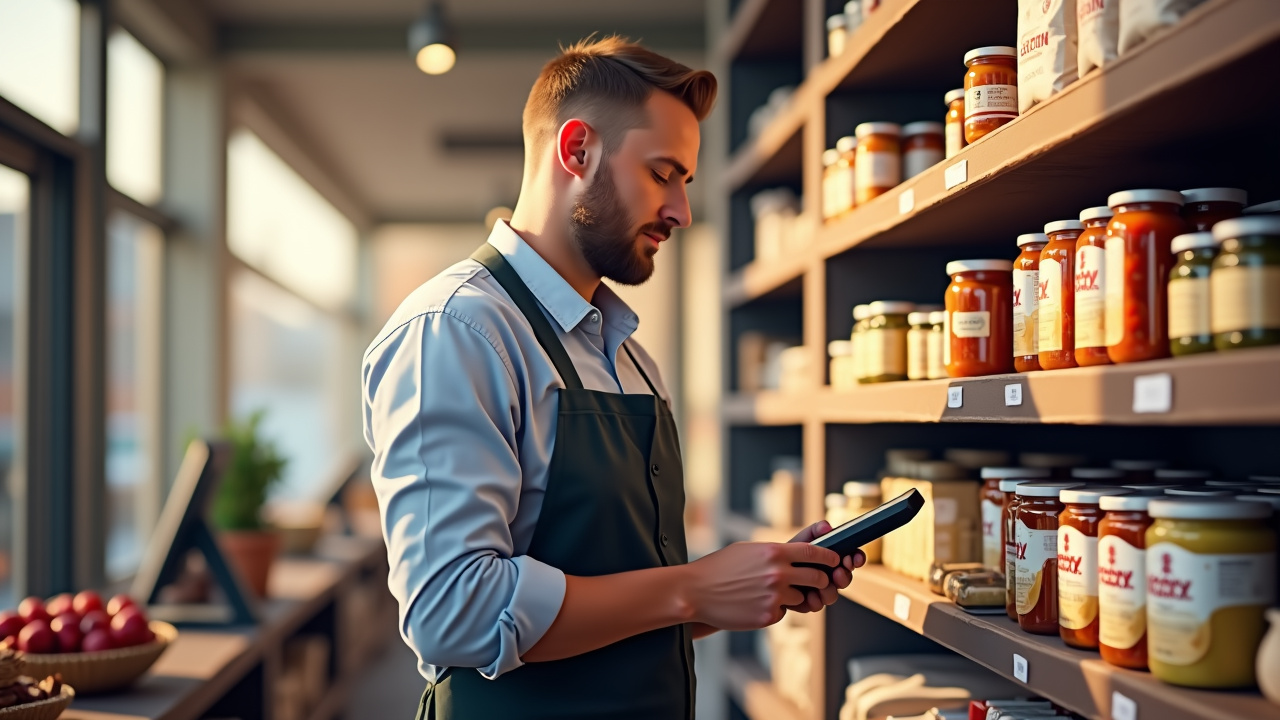
I have been running a Polish grocery store in one of London’s vibrant neighborhoods for over a decade. I love this job, the contact with people, the smell of fresh bread in the morning. But for years, December was synonymous with a nightmare for me. A time that I should have spent with family, thinking about the holidays, turned into 16-hour shifts, putting out fires, and constant stress. Anyone who runs their own store knows this scenario all too well.
November ended in a panic. Printing hundreds of small promotion slips that had to be manually cut and inserted into price tags. Of course, in the rush, mistakes always crept in – the price on the shelf was different from the one in the cash system. The result? Customer irritation at the checkout, lines that seemed endless, and my employees having to answer for mistakes they had no control over. Inventory management was like reading tea leaves. How much poppy seed cake to order? Would there be enough herring? I relied on intuition, which often failed during the peak season. It ended up with the most popular products disappearing from the shelves by mid-December, and I was frantically calling wholesalers, wasting time and nerves. I felt like the store was running me, not the other way around. In the evenings, I collapsed from exhaustion, with only one thought in my head: just get to January.
After that December, I said: enough. I sat down with a piece of paper and started counting not only the money but also the lost time and nerves. I realized that my “savings” on technology were an illusion. They cost me lost sales, pricing errors, and, most importantly, my health and relationships with loved ones. I began looking for solutions. I spoke with other owners, read about POS systems and modern retail tools. I was skeptical, afraid of costs and complicated implementation. The decision was sealed by a simple calculation: I counted how many hours my team and I spent each month manually changing price tags and inventorying goods. The number was staggering. Investing in an integrated POS system and electronic shelf labels (ESL) ceased to be an expense and became a logical step toward efficiency. I decided that next December would be different.
The implementation of the system went smoother than I expected. However, I felt the real revolution only when the next holiday season arrived. The difference was colossal. Instead of running around with a printer and scissors, I could change prices throughout the store with a few clicks on the computer. I saw that carp sales were slower than I had assumed? Within a minute, all labels by the fish displayed a promotion message: “-15% for the last two hours of opening.” The entire stock sold out before closing. This was a power I had not known before.
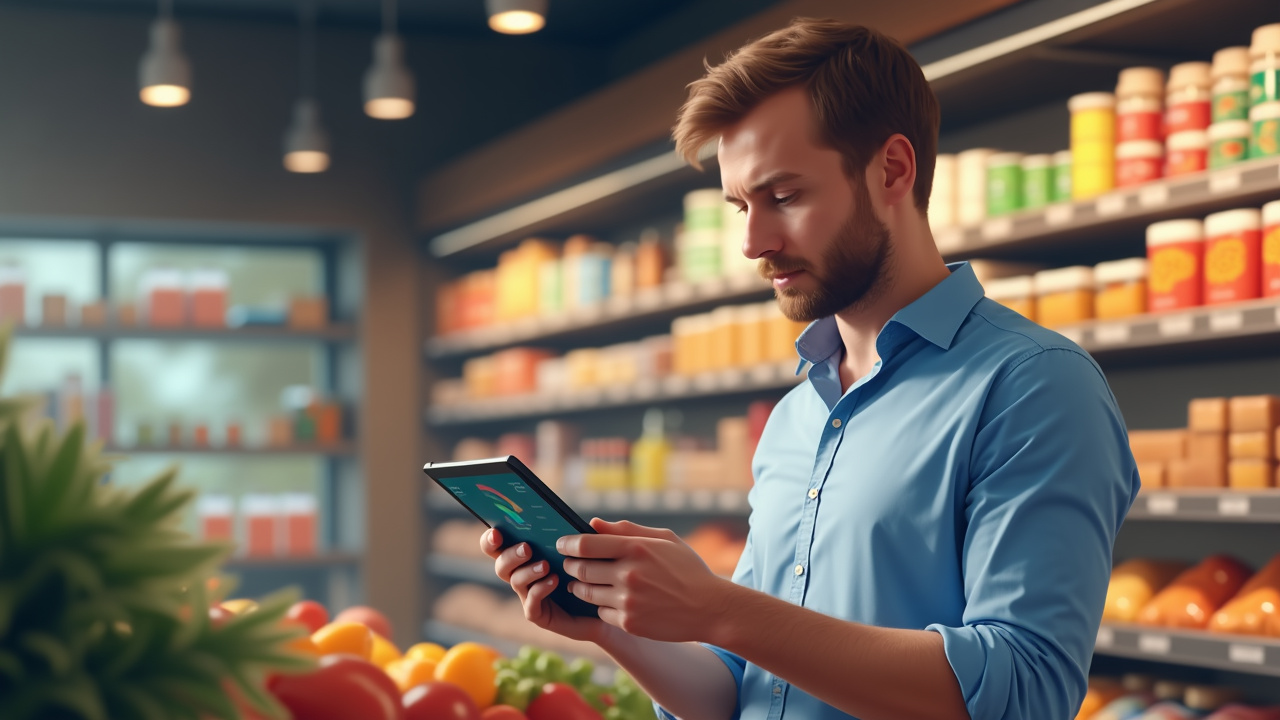
The POS system connected with barcode scanners gave me full control over inventory. I could see in real-time which products were selling best. No more guessing. The data clearly showed: order more of that specific borscht and mayonnaise because they were about to run out. This helped me avoid empty shelves of key holiday products. Moreover, checkout service sped up by nearly 30%. Quick scanning, accurate prices, and integrated payment terminals cleared the lines and reduced stress for both customers and staff. My team could finally focus on advising customers instead of apologizing for system errors.
The biggest change, however, occurred within me. Instead of being stuck in the store until late at night, I could check sales reports on my smartphone while sitting at home with my family. I felt like I was in control. I knew what was happening, even when I wasn’t there. I regained my evenings and peace of mind. This was the greatest value that cannot be measured in pounds.
Let’s get to the specifics because sentiment doesn’t pay the bills. The average shopping cart value in my store increased by 15% in December compared to the previous year. This is not magic; it is pure math and conscious management based on technology.
I see the effects not only in December. Better inventory management has reduced food waste throughout the year. Automating repetitive tasks freed up my employees’ time, who are now more satisfied and engaged. And me? I finally have time to think strategically about growth, not just firefighting.
My story is proof that technology in retail is no longer a luxury but a necessity. It is a tool that allows small, independent stores to compete effectively in a tough market. The most important lessons I have learned are:
If your holiday preparations look like a frontline battle every year, it’s a sign that it’s time for a change. Analyzing what is happening in your store is the first step to taking full control. Check where you are losing the most time and money, and see how modern tools can solve these problems before the next sales season picks up speed.