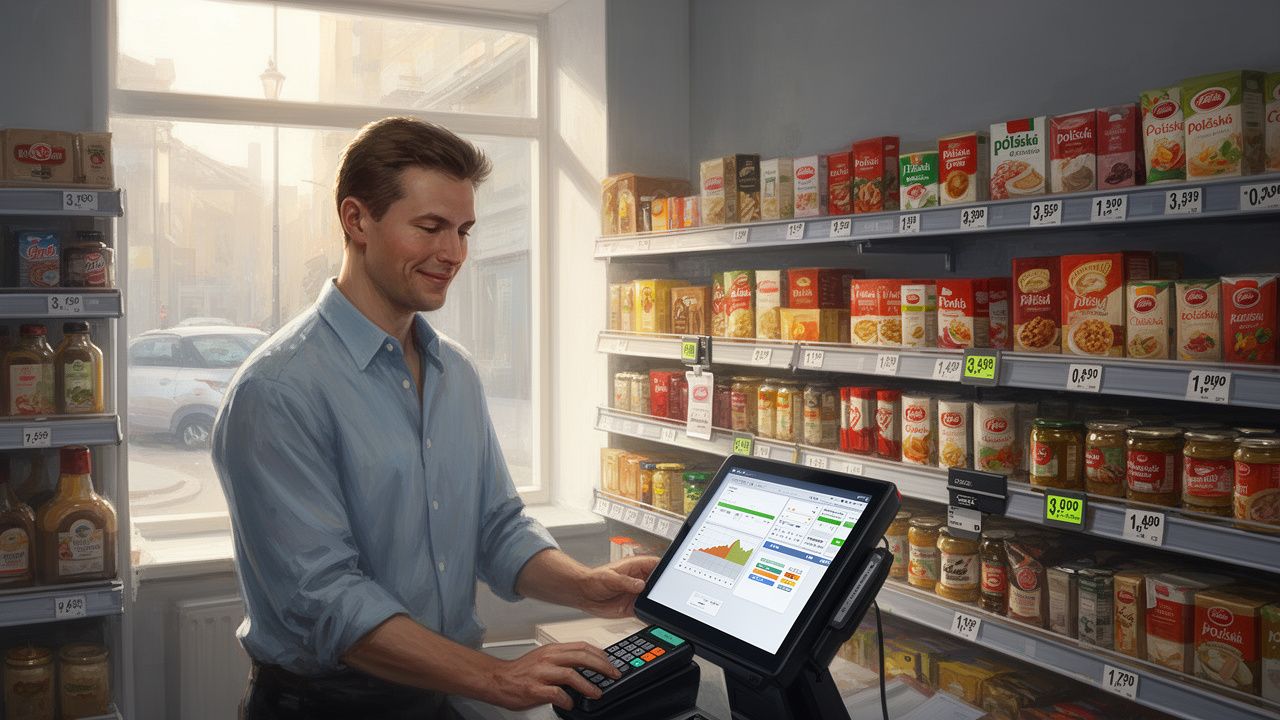


Suspicions of employee dishonesty are one of the greatest stresses for a store owner. Instead of relying on intuition, see how a modern POS system provided the store owner in Manchester with hard evidence, allowing them to regain control, peace, and lost profits.
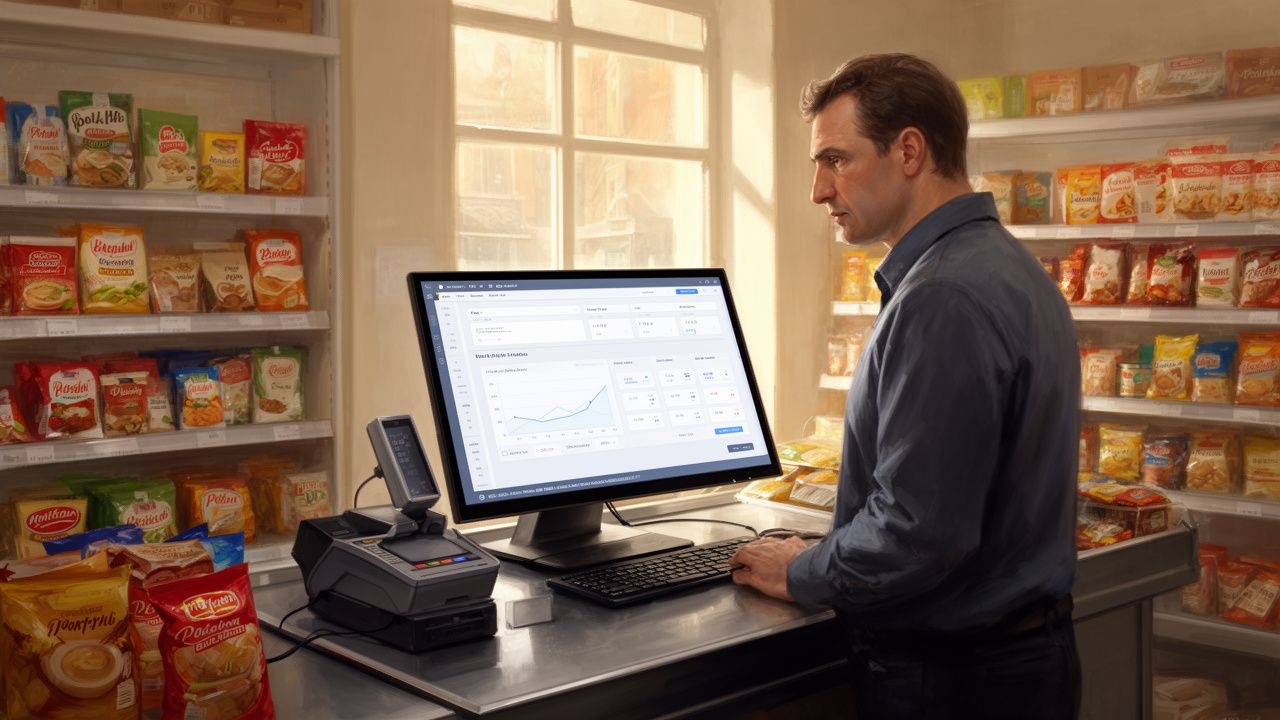
The feeling that something is off in the store’s finances is one of the most destructive for an owner. It undermines trust in the team and takes away energy that could be spent on growth. A modern POS system is not just a sales processing tool but primarily a guardian of profitability, turning unsettling intuitions into concrete, verifiable data.
Running a Polish store in the UK is based on relationships – both with customers and employees. However, even in the best-coordinated team, problems can arise. Ignoring warning signals in the name of maintaining a good atmosphere is a straightforward path to significant financial losses. The role of a manager and owner is to build an environment based on transparency, where procedures are clear, and any potential abuses are easy to detect and prove.
Dishonest practices are rarely a one-time incident. They usually create a pattern that can be spotted if you know where to look. The most common warning signs that should raise your alert include:
A traditional cash register does not provide tools to analyze these phenomena. A modern POS system (Point of Sale) transforms these suspicions into hard evidence, assigning each operation to a specific employee and specific time.
Implementing an advanced POS system is an investment in the security and transparency of your business. It operates on several levels, creating a tight barrier against potential abuses.
Firstly, individual employee accounts. This is absolutely fundamental. Each person logging into the system with their unique code or card leaves a digital trace of every operation performed – from sales to returns to receipt cancellations. Anonymity disappears, and full accountability emerges.
Secondly, advanced reporting. Instead of manually reviewing hundreds of receipts, you can generate reports in seconds that immediately catch anomalies. The most important ones include:
Thirdly, permission management. Not every employee needs access to all functions. In a good POS system, you can precisely define who can make returns, cancel transactions, or grant discounts above a certain amount. More risky operations may require manager authorization, providing an additional layer of security.
Finally, integration with video monitoring (CCTV). This is the most powerful tool. Modern POS systems can overlay transaction data directly onto the camera feed. Seeing on the recording how an employee cancels a £25 transaction at 3:32 PM while there are no customers at the register gives you evidence that cannot be disputed.
The true value of technology reveals itself in specific situations. The following story shows how implementing a POS system not only solved the problem but permanently changed the way the store was managed.
The owner of a Polish store in Manchester had been observing disturbing phenomena for several months. Weekly cash settlements regularly showed shortages ranging from £50 to £100. Moreover, the stock levels of high-margin products, such as cigarettes and alcohol, did not match the sales data. An atmosphere of distrust prevailed in the store, negatively affecting the entire team. The old cash register offered no analytical tools, leaving the owner with nothing but suspicions.
After implementing the new POS system, the first step was to create individual accounts for each of the four employees. The owner began dedicating 15 minutes daily to analyze two key reports: canceled transactions and discounts granted. Within two weeks, a clear pattern emerged. One of the employees, primarily working afternoon shifts, had a significantly higher rate of canceled cash transactions. This occurred almost exclusively when the owner was not in the store.
To be absolutely certain, the owner compared the logs from the POS system with the video footage. The pattern was simple and repetitive. The employee served a customer paying in cash, normally scanned the products, then accepted payment and placed it in the cash register. As soon as the customer left the store, the employee logged into the system and canceled the entire, just-completed transaction. They then opened the cash register under any pretext and withdrew the equivalent of the canceled receipt. The POS system provided irrefutable evidence: the transaction log with the exact time, assigned to a specific employee, matched the video recording. The confrontation was short and factual. In the face of such evidence, the employee had no ground for discussion.
The effects were immediate. The cash shortage problem disappeared entirely. Interestingly, the store’s weekly profit increased by an average of over £150, indicating that the scale of theft was greater than initially assumed. Removing the source of the problem cleared the atmosphere in the team. Above all, the owner regained peace of mind and a sense of control over their business. A similar case occurred in a store in Leeds, where analyzing discount reports from the POS system revealed that one of the employees regularly granted high, unauthorized discounts to their friends, generating losses of £400 per month.
Employee theft is not just a financial loss. It is a loss of trust, stress, and time spent on investigations instead of growth. Securing your store with the right technology is the best way to protect your investment and build a healthy, transparent work environment. Check the capabilities of your current system – if it does not give you full control, it’s time to consider a change before the next busy season begins.