
Paper vs Pixels – What’s the True Cost of Printing Labels?

Labels are more than just paper and ink – they also mean time, breakdowns, and errors. Find out the true cost of printing labels and whether digital solutions could benefit your business.
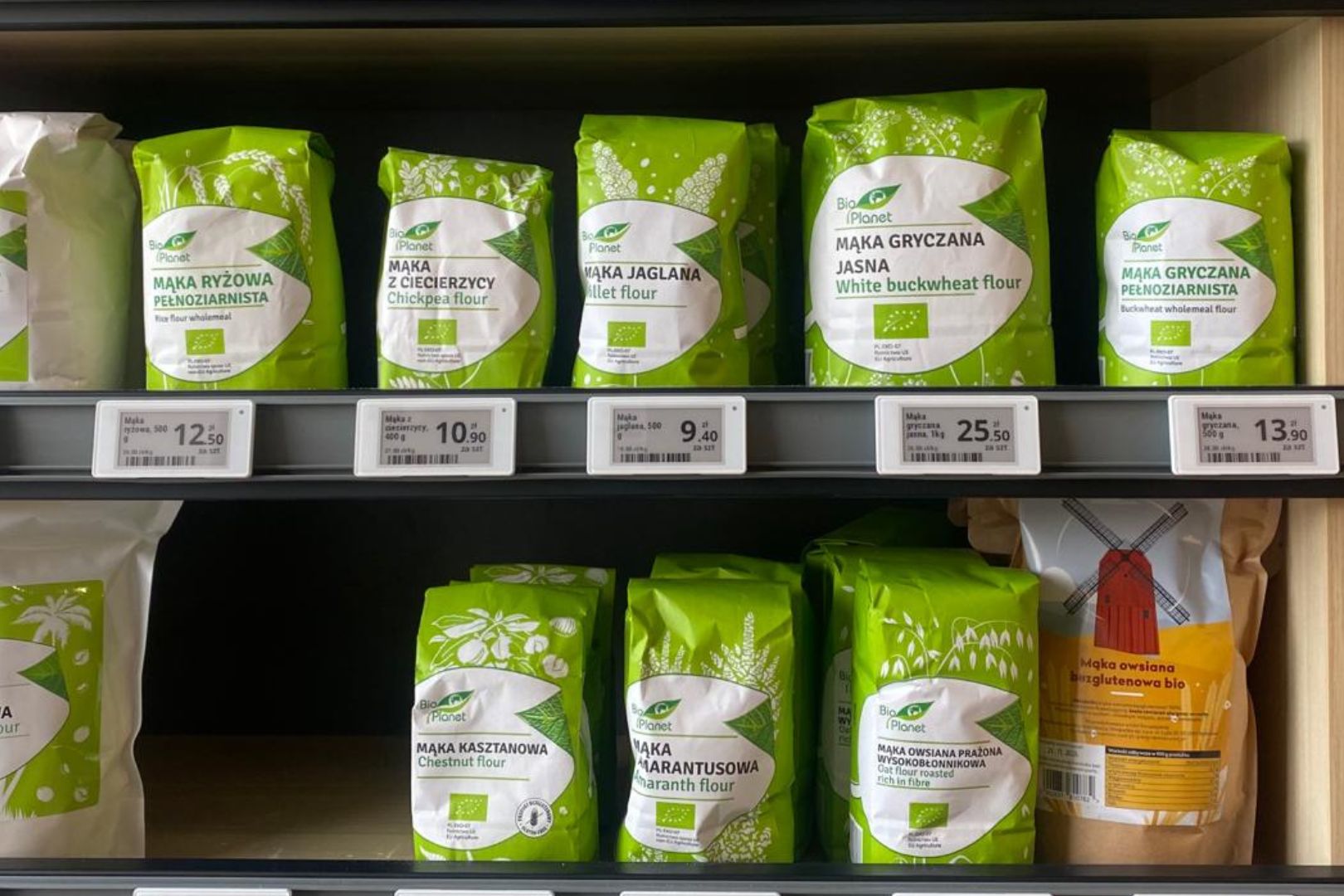
Paper vs Pixels – What’s the True Cost of Printing Labels?

Labels in Business – Is Printing Still Worth It?

Every grocery store, warehouse, and wholesale business relies on labels daily – from shelf price tags to product markings and barcodes. In an era of digitalisation, many business owners wonder whether printing labels is still worthwhile or if switching to digital displays is the smarter choice. The answer isn’t straightforward, but one thing is certain – printing costs go far beyond just paper and ink.

The True Cost of Printing Labels

Printing a single label may seem inexpensive, but when you add up all the hidden costs, traditional printing turns out to be far more expensive than it appears. What factors should you consider?

Material Costs

  • Paper: Prices are rising, and lower-quality rolls can lead to readability issues, smudging, or printer malfunctions.
  • Ink/Toner: Thermal printers eliminate this cost, but thermal paper rolls can be expensive, especially for high-quality, long-lasting prints.
  • Damaged or Unused Labels: Every price or product change requires reprinting, leading to wasted materials and additional costs.

Equipment Maintenance:

  • Cost of Purchasing a Printer (Thermal Transfer or Inkjet).
  • Regular Inspections, Maintenance, and Component Replacement.
  • Failures – Every Printing Downtime Creates Additional Issues in the Store.

Time and Efficiency:

  • Manually Printing and Applying Labels Takes Up Employee Time.
  • Labeling Errors Can Lead to Pricing Issues at Checkout and Customer Dissatisfaction.
  • Updating Labels Takes More Time Than a Digital Change on Screens.

Are Digital Labels a Better Alternative?

More and more businesses are switching to Electronic Shelf Labels (ESL). While it requires an initial investment, in the long run, it can significantly reduce operational costs and improve store efficiency.

  • Time Savings – Price Changes Are Instant, Eliminating the Need for Printing and Label Replacement.
  • Greater Accuracy – Avoid Errors Caused by Outdated Price Tags.
  • Eco-Friendly – Eliminating Paper and Ink Usage Reduces the Company’s Carbon Footprint.
  • Better Price Control – Dynamic Adjustments Allow Real-Time Price Optimisation.

Although the initial implementation cost is higher, long-term savings can far outweigh the expenses associated with traditional label printing.

Which Option Is More Cost-Effective?

If your business still relies on traditional printing, it’s worth analysing all the costs. Digitalisation may not only save money but also streamline daily operations.

Is Your Store Ready for the Change? Helplink will help you implement modern solutions to streamline price and label management in your business. Find out how we can help you!


Have additional questions?

You might also be interested in

Analytics 101: How to Read Sales Reports in Your POS System 03/02/2026

Analytics 101: How to Read Sales Reports in Your POS System

Do you feel that your POS system is just a modern cash register, and the piles of reports overwhelm rather than help? Discover the story of a store owner who turned chaos in data into the key to regaining control, savings, and – most importantly – free time for themselves and their family. Find out how simple sales reports can revolutionize your workday.

Read more
Case study: 24-hour pickup kiosk in Sheffield – insights after 6 months 27/01/2026

Case study: 24-hour pickup kiosk in Sheffield – insights after 6 months

Is your store losing customers after closing hours? Discover how a store in Sheffield, through a 24-hour pickup kiosk, not only increased sales but also debunked the 5 biggest myths about automation in retail. See the real results after 6 months.

Read more
Dark Store in the basement? The micro-fulfillment model for click&collect 20/01/2026

Dark Store in the basement? The micro-fulfillment model for click&collect

Are online orders blocking aisles and irritating customers in the store? Discover how to transform an unused basement or backroom into an efficient micro-fulfillment center (dark store) and automate the click&collect process. See a specific example of how one store tripled its efficiency, regaining control and peace.

Read more