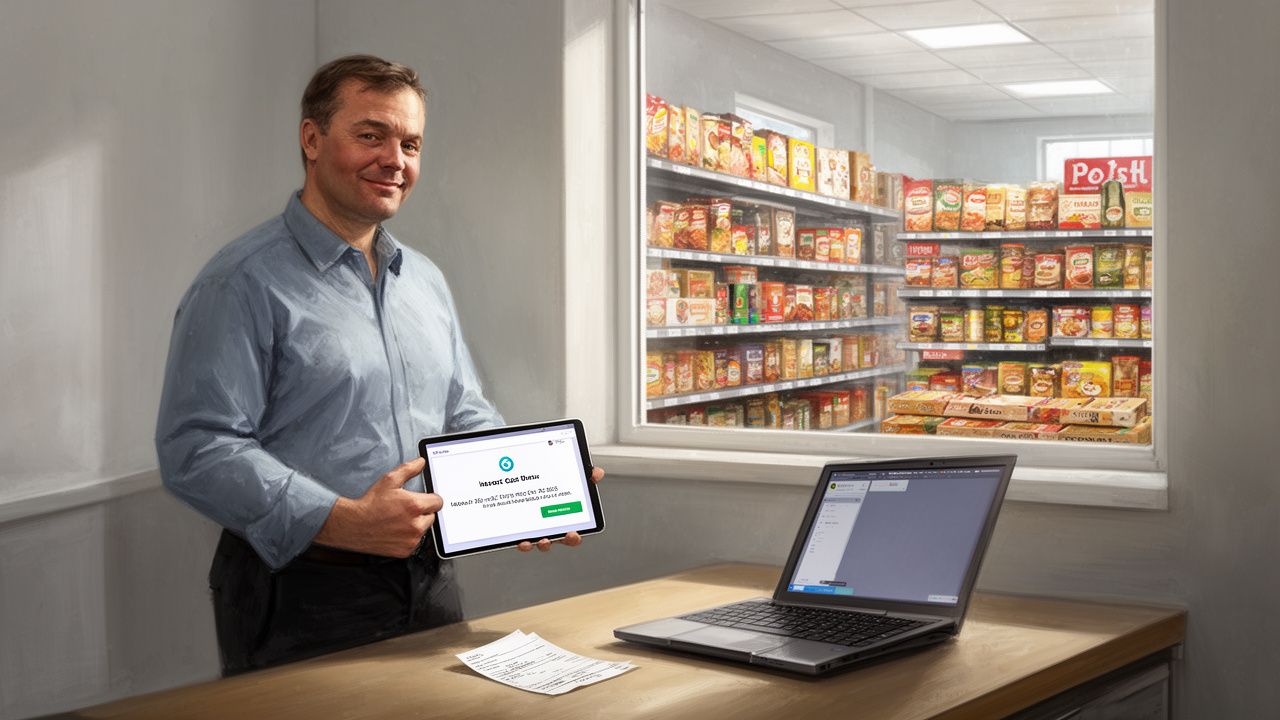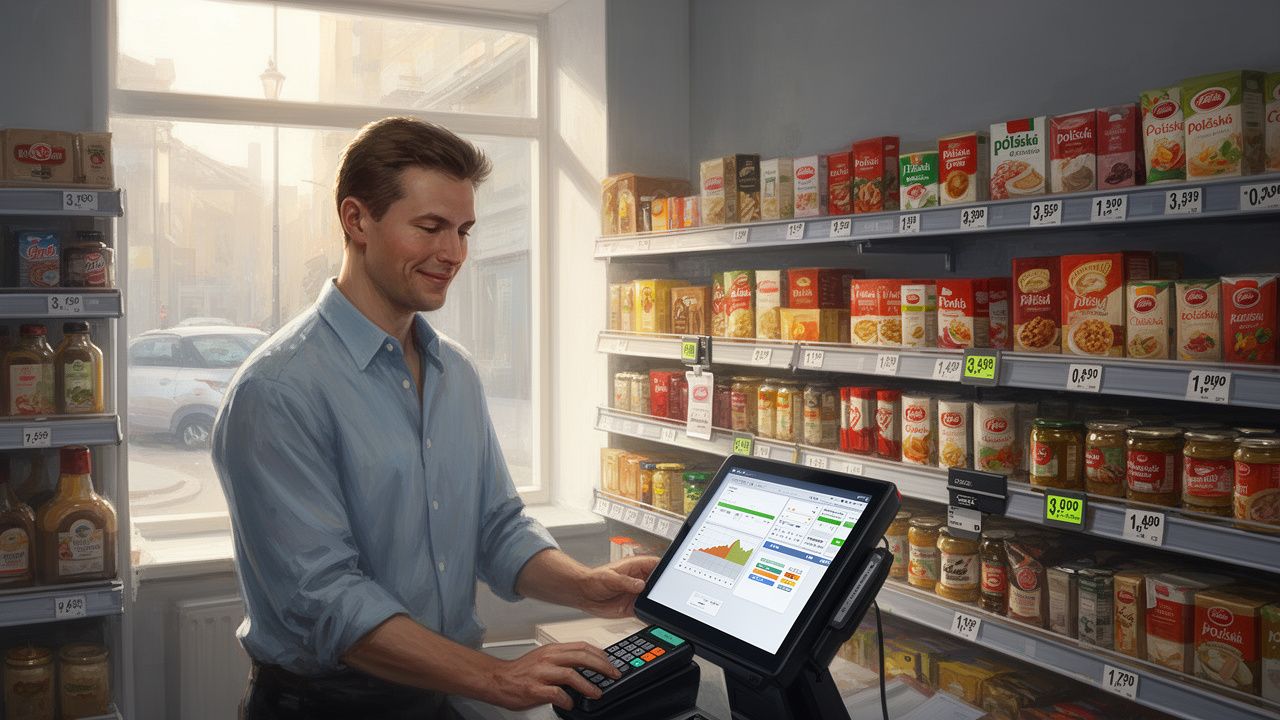


Is investing in Electronic Shelf Labels (ESL) really worth it? The Scottish retailer Scotmid switched to this modern solution, and the results exceeded all expectations! Automated price updates, time savings, and ROI in as little as 9 months – these are just some of the benefits. Find out how ESL is transforming the retail industry and why more UK retailers are following suit.
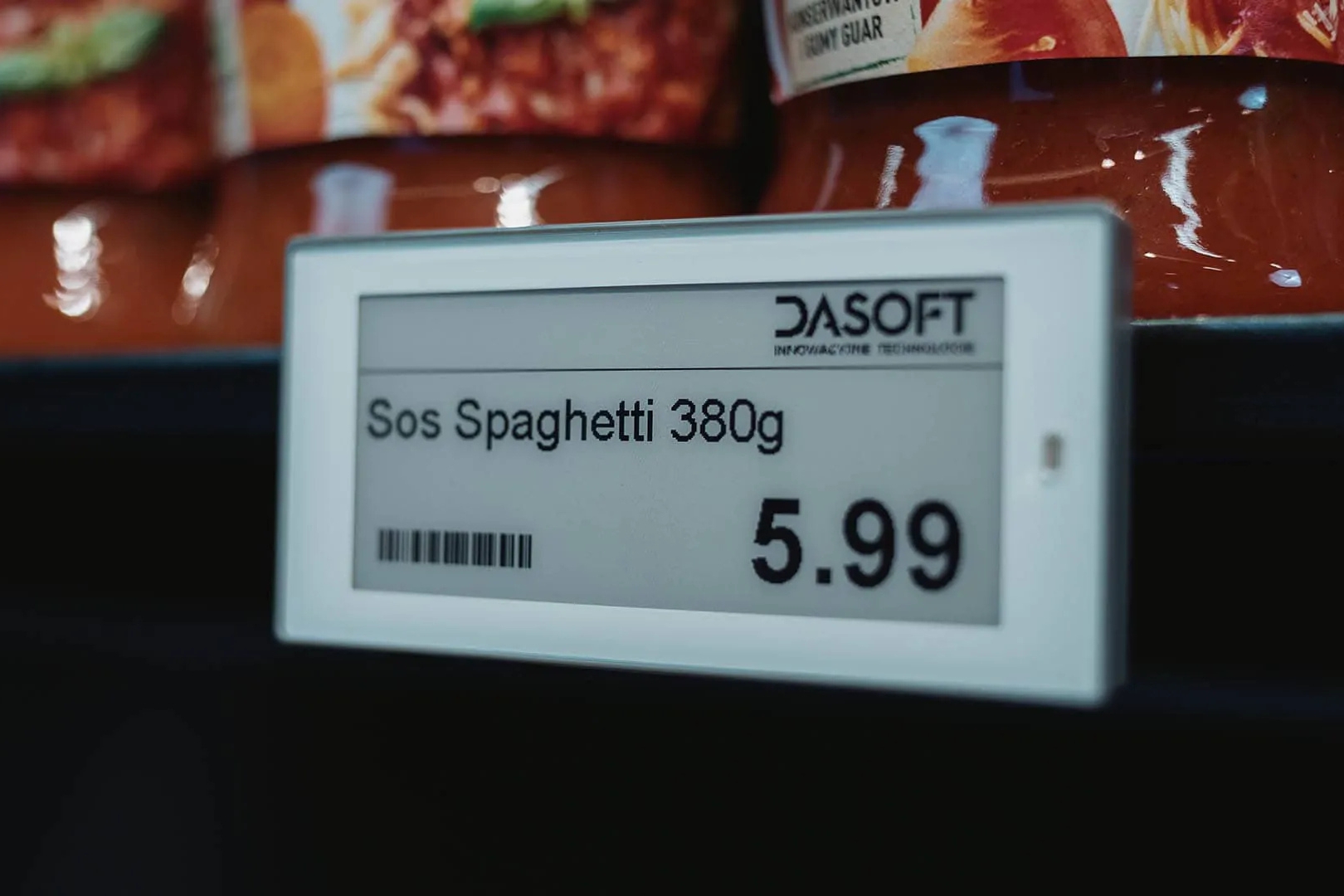
For the past 30 years, Electronic Shelf Labels (ESLs) have struggled to gain traction in the UK market. However, things are finally changing. More and more retailers are trialling this technology, seeing it not just as a way to replace paper price tags but as a powerful tool to enhance operational efficiency. Let’s take a closer look at how one of Scotland’s largest independent grocery chains – Scotmid – implemented ESL and how long it takes for the investment to pay off.
Scottish retailer Scotmid began testing Electronic Shelf Labels in August 2021. The traditional price-changing process was labour-intensive, involving printing labels, sorting them, and manually replacing them across the store. On top of that, promotional materials also needed frequent updates.
Introducing ESL revolutionised this process:
✔ Automatic overnight price updates – all prices are updated before staff even start their shift.
✔ No more manual label replacements – store teams can focus on customer service instead of tedious tasks.
✔ Simple product-to-label assignment – staff scan the product and label with a mobile app, and the system takes care of the rest.
✔ Modern shelf appearance – ESLs are clearer and more visually appealing, improving the shopping experience.
As one of the store managers summed it up: “The shop runs like a Swiss watch – precisely and without a hitch.”
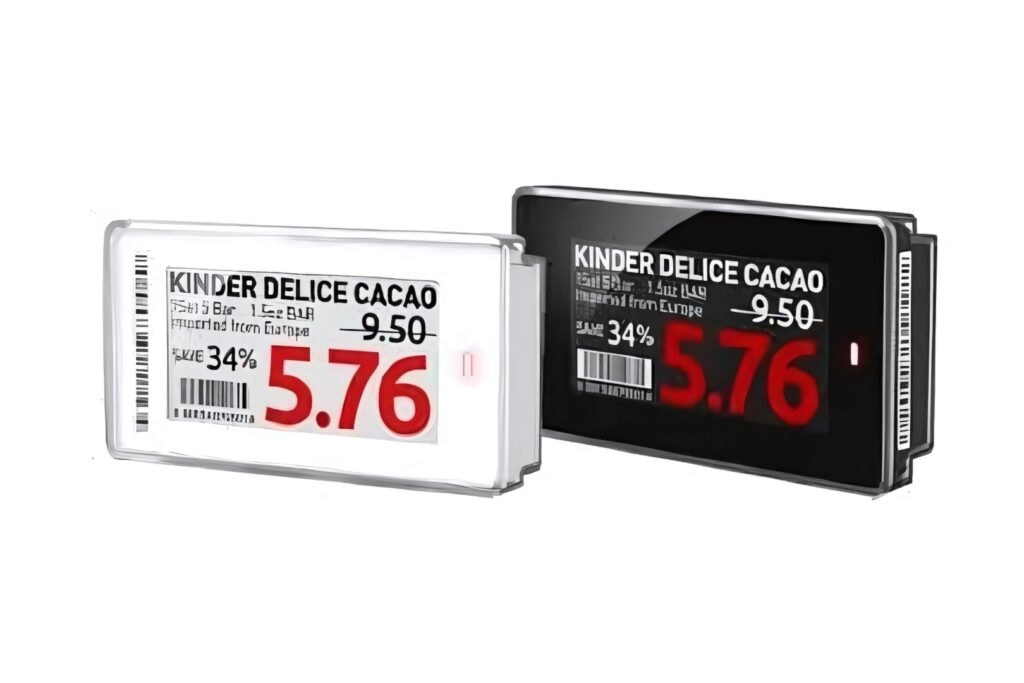
The return on investment (ROI) in ESL depends on how the technology is used. If it only replaces paper labels, the ROI takes around 4-6 years. However, when retailers leverage its full potential, the payback period can be as short as 9 months!
Key factors influencing ROI include:
✔ Labour cost savings – fewer staff hours spent on price updates.
✔ Faster online order picking – ESLs with Pick To Light technology speed up product selection, improving e-commerce efficiency.
✔ Better promotion management and dynamic pricing – prices can be adjusted instantly based on demand and expiry dates.
✔ Enhanced customer service – ESLs can display QR codes linking to nutritional information.
While ESL technology is already widely adopted in Europe, particularly in France and Scandinavia, the UK market has been slower to catch up. Historically, lower labour costs in Britain reduced the need for automation. However, as labour expenses continue to rise, major retailers like Asda, Tesco, and Southern Co-op are now seriously considering large-scale ESL rollouts
Will Electronic Shelf Labels become the new industry standard in UK retail? Signs point to yes. For Scotmid, ESL is already a “game changer”, reducing operational costs while improving both the customer and employee experience.
Could your retail business benefit from ESL automation? Contact us to learn how this technology can help you cut costs and boost efficiency in your store!