
Small grocery stores in the UK are fighting for margins – here’s how technology gives them the edge!

In the world of small grocery stores, margins are crucial—they determine the profitability of the business. Rising operational costs, fluctuating supplier prices, and changing customer shopping habits force store owners to find new ways to maintain profits. Fortunately, technology offers a solution. Modern IT systems not only optimise store management but also increase margins through […]

Small grocery stores in the UK are fighting for margins – here’s how technology gives them the edge!

In the world of small grocery stores, margins are crucial—they determine the profitability of the business. Rising operational costs, fluctuating supplier prices, and changing customer shopping habits force store owners to find new ways to maintain profits. Fortunately, technology offers a solution. Modern IT systems not only optimise store management but also increase margins through smart, real-time data-driven decisions. How does it work in practice?

1. Inventory optimisation – fewer losses, greater efficiency

Every product that sits on the shelves for too long or runs out at a crucial moment is a loss for the store. With IT systems, store owners can:

  • Monitor stock levels in real time – IT systems track inventory levels, helping to prevent shortages and excessive stock accumulation.
  • Forecast demand – AI algorithms analyse sales history and seasonal trends to predict the demand for specific products.
  • Automate ordering – the system generates supplier orders when stock levels fall below a predefined threshold.

This prevents the store from losing money on unnecessary purchases and reduces the risk of losing customers due to out-of-stock popular products.

2. Enhancing the customer experience – greater loyalty and higher basket value

Customers value convenience and fast shopping. Modern technologies can make in-store visits more seamless, directly impacting sales by:

  • Self-checkouts and “scan and go” systems – eliminate queues and speed up service, enhancing customer satisfaction.
  • Mobile apps – enable customers to browse promotions, create shopping lists, and access loyalty programmes.
  • Offer personalisation – analysing purchase data allows for tailored promotions based on customer preferences, encouraging more frequent visits.

A better shopping experience leads to greater customer loyalty, which in turn drives higher revenue.

3. Reducing operational costs – smarter management of staff and resources

Labour and operational costs are among the biggest expenses for small grocery stores. Smart systems can help reduce them by:

  • Electronic shelf labels – enable instant price updates, eliminating the need for manual price changes by staff, significantly reducing labour costs.
  • Predictive equipment maintenance – sensors monitor the condition of checkout systems, predicting failures and minimising downtime, while electronic shelf labels can track refrigerator temperatures, preventing losses of chilled goods.
  • Work schedule optimisation – analysing store traffic helps plan staff shifts more efficiently, avoiding excessive labour costs.

Automating key processes reduces expenses and increases operational efficiency, directly contributing to maintaining high margins.

4. Smart margin management – dynamic pricing and better product placement

Store prices cannot remain static – changing market conditions require flexibility. Modern systems enable:

  • Dynamic pricing – market data and competitor analysis enable automatic price adjustments to maximise margins.
  • Electronic shelf labels – integrated with the IT system, they allow instant price updates on shelves, eliminating the risk of errors.
  • Basket analysis – the system identifies high-margin products and suggests better placement to boost sales.
  • Loss reduction – monitoring and visual analysis help minimise checkout errors and reduce losses caused by theft.

With these solutions, the store gains better control over its revenue while avoiding situations where excessively low prices reduce profitability.
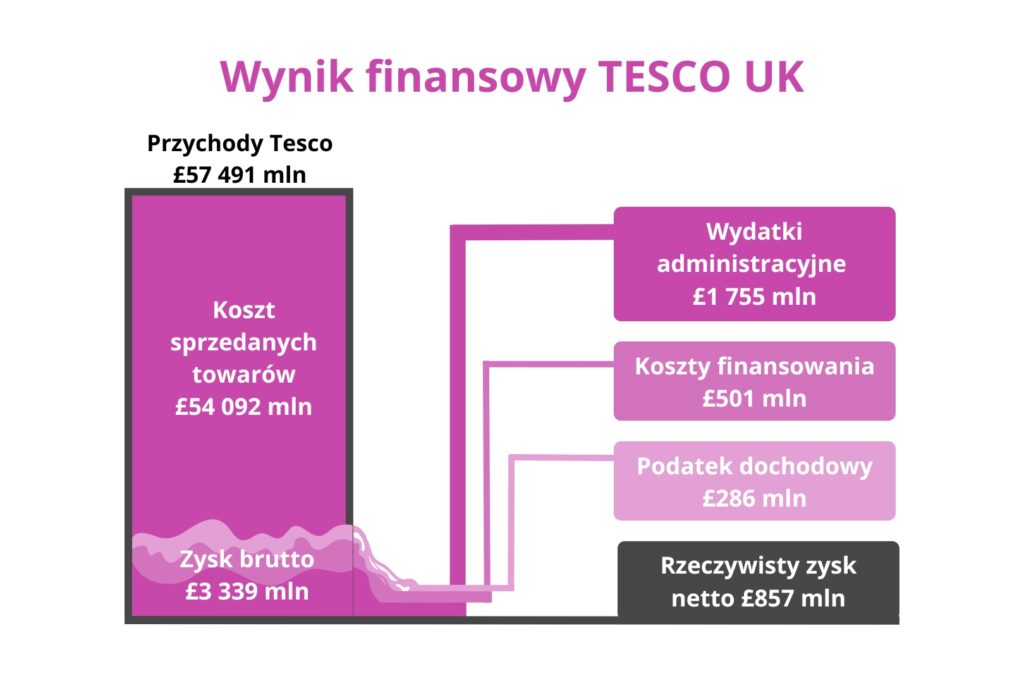
Summary: Technology as the Key to Stable Margins

Maintaining margins in a small grocery store is a challenge, but with modern IT systems, you can effectively manage inventory, reduce operational costs, and enhance customer satisfaction.

  • Better inventory control helps prevent stock shortages and losses.
  • Process automation saves time and money.
  • Smart pricing enables margin maximisation.

Technology is already transforming how small grocery stores in the UK operate, and store owners who embrace it can achieve a more stable and profitable business. Do you have questions about implementing the right solutions in your store? Contact us – we’ll help you choose the best systems for your business!
Have additional questions?

You might also be interested in

Checklist: How to prepare data for annual inventory in POS 24/02/2026

Checklist: How to prepare data for annual inventory in POS

Is the annual inventory a challenge? Our step-by-step checklist will help you prepare the POS system, organize data, and conduct the inventory smoothly and accurately. Turn chaos into control and regain valuable time.

Read more
Case study: London Fresh Market – 10% margin increase through basket analysis 17/02/2026

Case study: London Fresh Market – 10% margin increase through basket analysis

High turnover does not always mean high profits. Discover the story of London Fresh Market, which, through basket analysis, not only understood its customers but also increased its margin by 10% in just six months. See how data transformed their business from within.

Read more
5 free BI tools for small stores (step-by-step comparison) 10/02/2026

5 free BI tools for small stores (step-by-step comparison)

Do you feel like you’re drowning in data from your POS system, making business decisions “on a gut feeling”? Discover how free Business Intelligence tools can turn the chaos of numbers into concrete profits and give you full control over your store. We compare 5 popular solutions that will help you save time and make smarter decisions.

Read more