

Did you know that price changes in your store can determine its success? Check out the five most common mistakes that are worth avoiding.

Changing prices in a store is a key process that can significantly affect its functioning. Although it may seem like a simple matter, in reality, there are many factors to consider. In this article, we will present the five biggest mistakes that store owners make when deciding to change prices.
One of the most common mistakes is not conducting a competitor analysis. Owners should understand what the prices of similar products are in their area. For instance, a store owner in Birmingham, who invested in market research, discovered that his prices were 20% higher than the competition, which negatively impacted sales.
Often, owners introduce price changes that are too drastic. Excessively high increases can deter customers, while excessively low ones can diminish their perceived value. An example from Leeds shows that a grocery store that introduced a 50% discount on selected items had to raise prices later on, which affected customer trust.
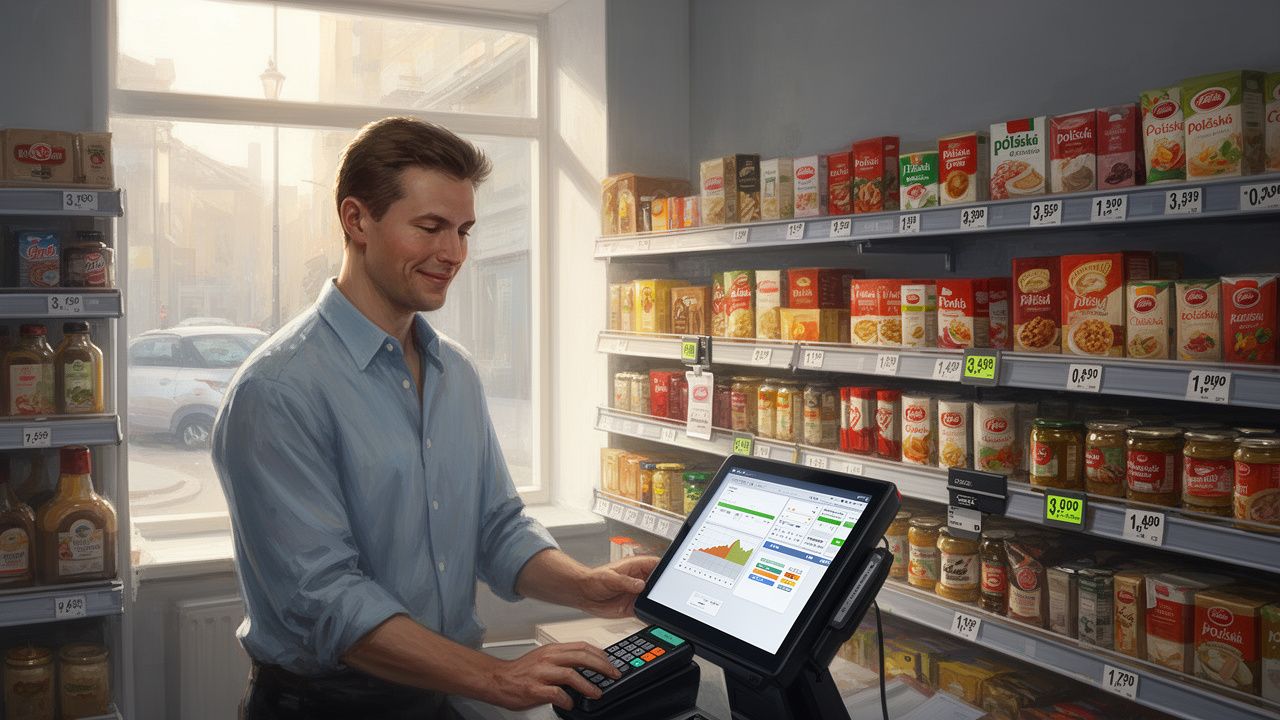
Prices ending in .99 versus .00 can influence purchasing decisions. A store owner in Manchester noted that products priced at 9.99 sold significantly better than those priced at 10.00. This illustrates how important psychology is in shaping pricing strategies.
Many store owners fail to account for all costs associated with a product. A month ago, a store owner in Nottingham realized that his prices did not cover transportation and storage costs, leading to financial losses.
Implementing price changes without consulting employees can lead to team frustration and communication errors with customers. A store owner in London introduced a new pricing strategy in secret, resulting in staff confusion and low customer satisfaction.
Pricing changes require thoughtful strategy and communication. It is worth ensuring proper research and market analysis to avoid the aforementioned mistakes. If you want to know more about how to effectively implement changes in your store, feel free to contact me!