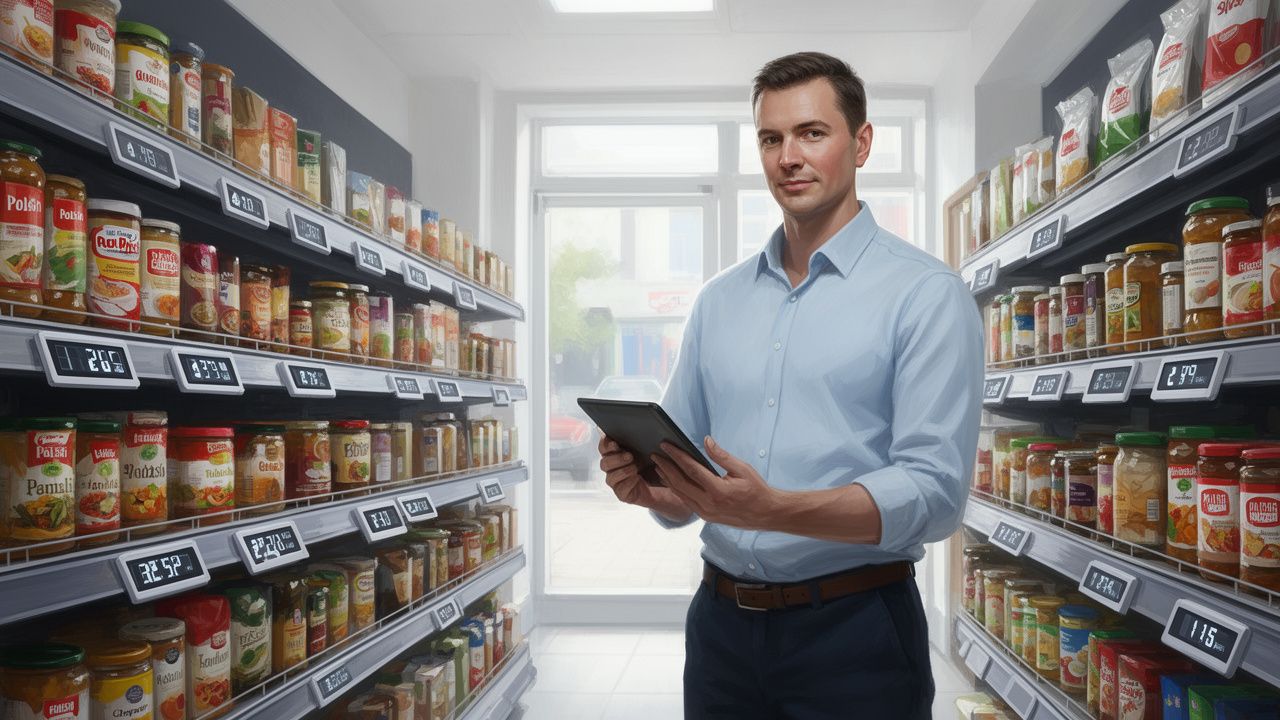
Electronic Shelf Labels (ESL) with Temperature Control – Why Are They Worth the Investment?

Are you tired of manually updating prices in your store and risking errors? Electronic Shelf Labels (ESL) are a modern solution that not only automate price management but also monitor fridge and freezer temperatures, minimising losses and ensuring compliance with legal requirements. Learn how to save time, reduce costs, and enhance the customer experience.
Electronic Shelf Labels (ESL) with Temperature Control – Why Are They Worth the Investment?

Have you ever encountered a situation where the price at checkout differs from the one displayed on the shelf? It’s a frustrating experience that often ends with annoyed customers leaving comments on forums such as: “This shop cheats its customers!” The issue usually boils down to outdated shelf prices. How can this be resolved? The answer lies in Electronic Shelf Labels (ESL).

Challenges with traditional paper labels

Modern grocery stores, whether small or large, face numerous challenges in managing product pricing. Traditional paper labels require frequent updates, which involve significant labour, time, and costs.

The cost of manual price label updates in grocery stores

To illustrate the problem of manually handling price labels, we conducted a survey among selected stores, asking about the time spent on specific stages of stock acceptance. Despite differences in store sizes and product numbers, the cost of manually updating labels proved significant in all cases. All surveyed stores process deliveries by importing invoices from files (xlsx or epp). We focused on two key stages of the process:

  • Printing and preparing new price labels – statistically, 20% of items include updated purchase prices.
  • Physically replacing price labels on shelves.

The data revealed that in stores with a floor area of approximately 250–300 m², these activities take an average of 5 hours per week. The annual labour costs for manual label updates, at £18 per hour, are as follows:

  • £90 per week (5 hours x £18).
  • £360 per month (4 x £90).
  • £4680 per year (12 x £360).

Even at this stage, the financial burden is evident. However, this is not the only issue…

Errors resulting from manual price updates

Manual price updates are prone to errors, leading to discrepancies between shelf prices and those in the checkout system. Below are the most common causes of such problems:

  • Human errors – Staff may make mistakes while printing or attaching labels, forget to update certain areas, or input outdated information.
  • Lack of system synchronisation – Manual updates often lag behind changes in the sales system, resulting in price mismatches.
  • Technical issues – Printer or label generation system failures can delay updates, especially when numerous price changes are required.
  • High product volumes – In grocery stores with invoices listing hundreds of items, it is challenging to keep up with all changes, particularly with limited staff.
  • Unforeseen situations – Labels are often updated “whenever there’s time,” making the process chaotic and hard to control. Consequently, some products may remain with outdated prices for extended periods.

The impact of errors in price label handling

Outdated shelf prices can result in financial losses as stores are obligated to sell products at the price displayed to customers, even if the system price is higher. Furthermore, these situations negatively affect customer trust. Customers may feel deceived if the checkout price differs from the shelf price.

Manual price label handling is not only costly but also risky. In the era of modern technology, solutions like Electronic Shelf Labels (ESL) can significantly streamline price management and eliminate these issues.

Electronic Shelf Labels (ESL) – the solution for the future

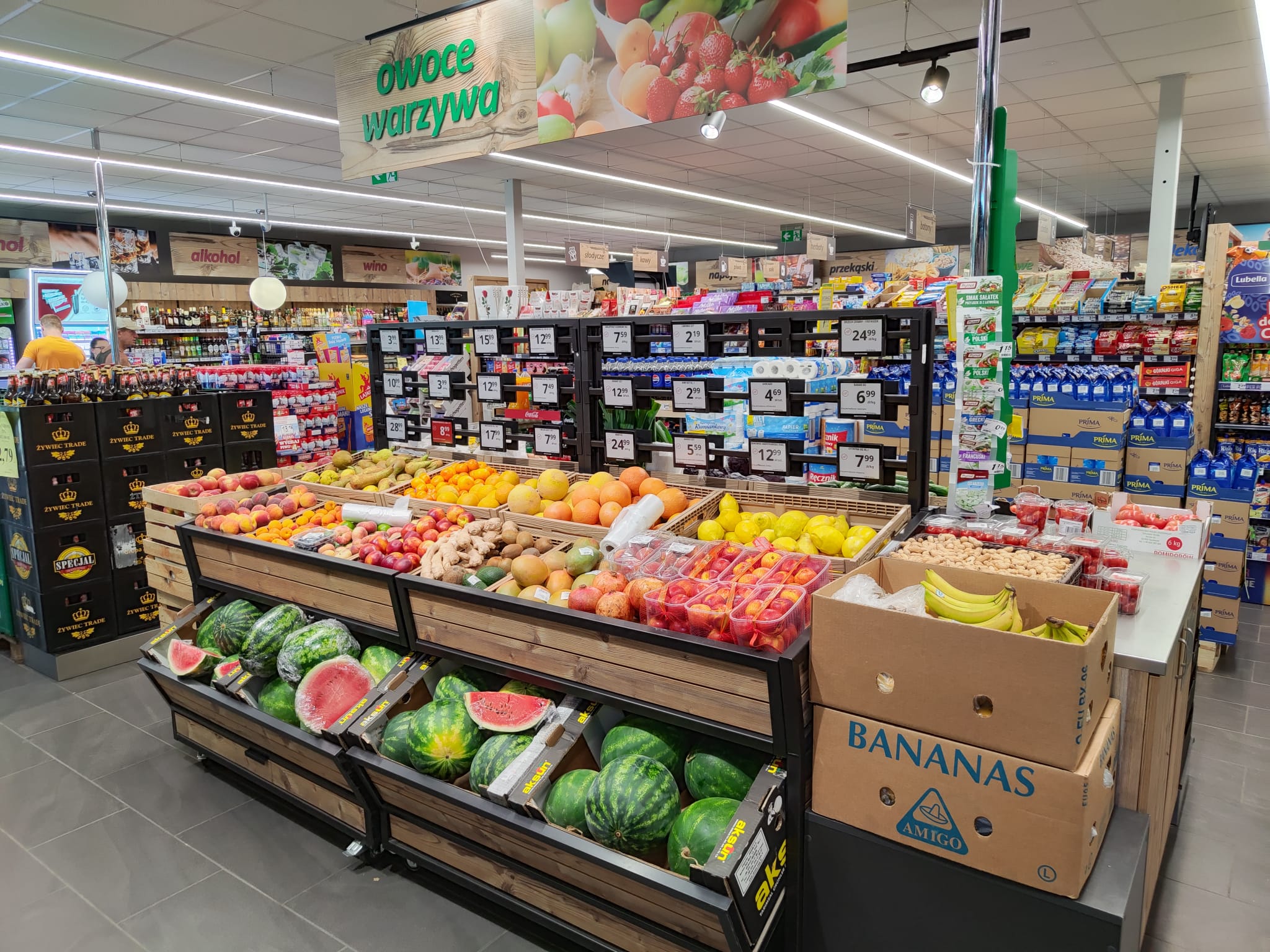
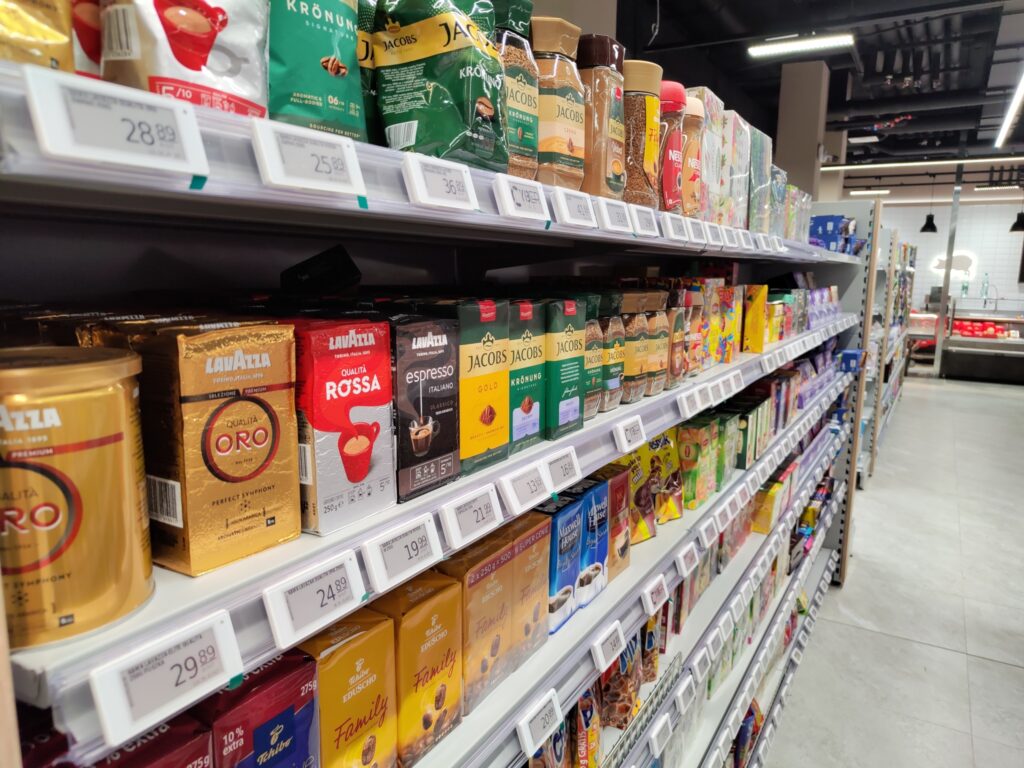
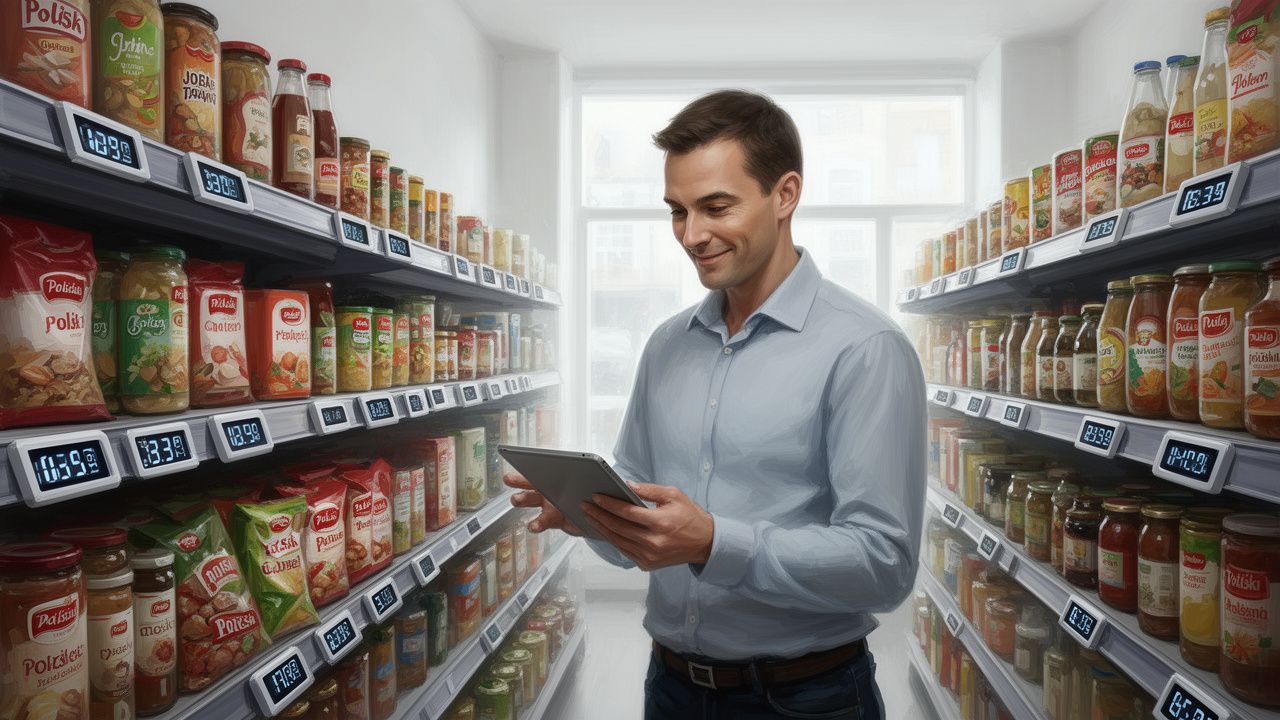
Modern Electronic Shelf Labels (ESL) offer an innovative solution that automates the price update process in stores. Using e-ink technology, these labels provide a 6-year lifespan, which refers to the durability of the battery that can be replaced if needed.

ESL systems stand out due to their ability to retrieve data directly from the sales system, eliminating human errors and delays in price updates. The process is straightforward: you receive the invoice, approve the new sale prices, and the system automatically sends the updates to:
  • checkout terminals,
  • labelling scales,
  • shelf price labels.

Key benefits of ESL:

  • Automatic price updates – Any changes in the sales system are instantly reflected on the label, eliminating discrepancies.
  • Time and cost savings – Employees no longer need to manually replace labels, allowing them to focus on other tasks.
  • Long lifespan – The labels are designed to last at least 6 years, with batteries easily replaceable after that.
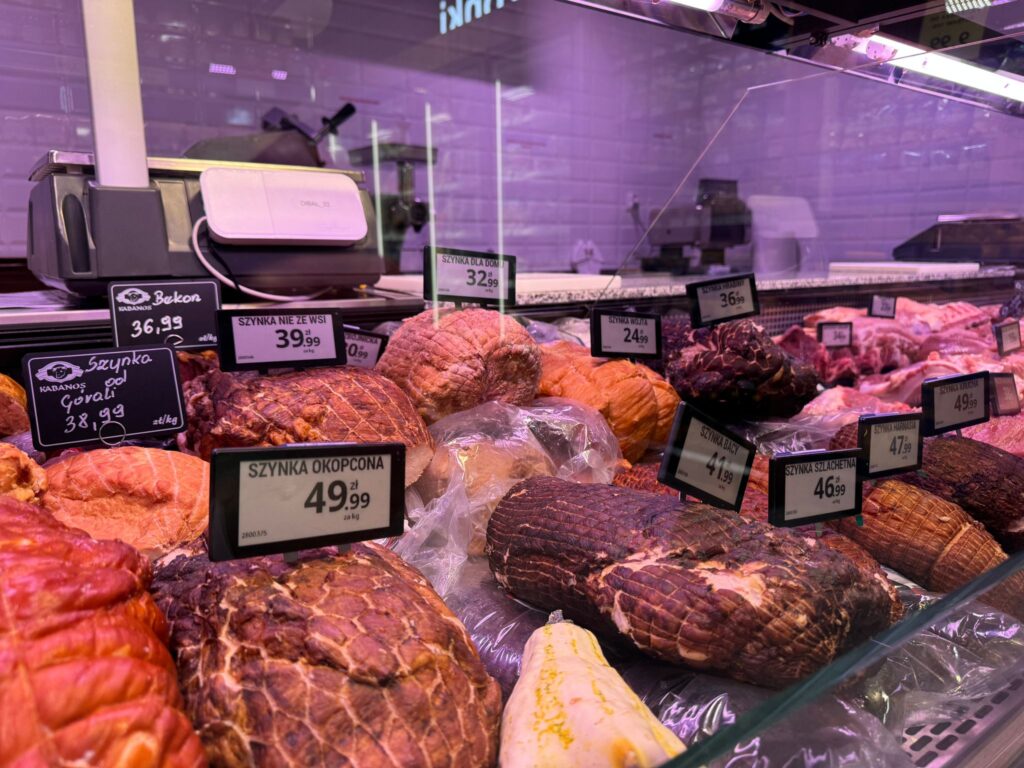
  • Fridge temperature control – ESL can monitor temperatures in fridges and freezers, sending alerts when values exceed acceptable limits.

But that’s not the end of the benefits of implementing ESL. Current technology allows for the integration of temperature monitoring functionality into the labels, which is crucial for several reasons:
  • Legal compliance – The Food Standards Agency (https://www.food.gov.uk/) requires regular temperature monitoring in fridges and cold rooms, as well as proper documentation.
  • Detection and alerts for failures – ESL systems can quickly identify even brief temperature drops, allowing immediate action. According to survey data, grocery stores lose an average of £3000 annually due to temperature-related product spoilage in fridges or freezers.

Benefits of temperature control in fridges:

  • Immediate problem notifications – This feature ensures prompt responses to issues such as cooling system failures or door leaks.
  • Reduced financial losses – Automated monitoring prevents product spoilage, reducing loss risks.
  • Legal compliance – Regular temperature monitoring ensures compliance with regulations, protecting the store from potential penalties.

Cost savings in grocery stores thanks to ESL with temperature control:

  • Reduced labour costs – Stores that previously spent 5 hours per week on label handling saved up to £4680 annually with ESL.
  • Lower losses from fridge failures – The system minimises spoilage-related costs.
  • Fewer mistakes – Automation eliminated price discrepancies entirely.
  • Improved customer satisfaction – Error-free pricing enhanced store reputations and reduced negative online reviews.

How much does implementing ESL cost?

Thanks to advancements in production processes, the cost of implementing ESL systems has significantly decreased. For example, installing 150 labels in fridges for cold cuts, meat, dairy, and freezers (where prices frequently change) costs approximately £3000. This amount includes the labels, base station installation, and system configuration.

ESL systems are scalable, allowing for gradual expansion. If you recognise the benefits, you can easily add more labels to your existing setup. This flexible approach lets you adapt the investment to your store’s current needs, minimising upfront expenses and enabling the gradual adoption of modern technologies.

Summary – why invest in ESL?

Electronic Shelf Labels with temperature control functionality are an investment that brings tangible financial benefits, improves work efficiency, and enhances customer service standards. Grocery stores can reduce losses, avoid penalties for non-compliance, and offer better shopping experiences.
If you want to learn more about implementing ESL in your store, contact us today!

Have additional questions?

You might also be interested in

Zatrudniasz studenta? Ulgi i pułapki podatkowe w UK (2026) 01/07/2026

Zatrudniasz studenta? Ulgi i pułapki podatkowe w UK (2026)

Zatrudnienie studenta to popularny sposób na wzmocnienie zespołu w polskim sklepie, zwłaszcza w okresach wzmożonego ruchu. Jednak przepisy podatkowe i prawa pracy w Wielkiej Brytanii bywają złożone. Sprawdź, jakie są zasady zatrudniania studentów na 2026 rok, aby uniknąć kosztownych błędów i w pełni wykorzystać potencjał młodego pracownika.

Read more
Myth-Buster: „Moim klientom niepotrzebna lojalność” 10/06/2026

Myth-Buster: „Moim klientom niepotrzebna lojalność”

Myślisz, że Twoim klientom wystarczy przyzwyczajenie, a program lojalnościowy to zbędny koszt? Obalamy najczęstsze mity i pokazujemy, jak proste narzędzia mogą zwiększyć zyski, zbudować społeczność wokół Twojego sklepu i dać Ci przewagę nad konkurencją. Zobacz, dlaczego ignorowanie lojalności to błąd, na który Cię nie stać.

Read more
POS Integration with Uber Eats/Deliveroo – Is It Worth It? 27/05/2026

POS Integration with Uber Eats/Deliveroo – Is It Worth It?

Tired of juggling tablets from Uber Eats and Deliveroo? Order errors and chaos in inventory keep you awake at night? Find out how integrating the POS system with delivery platforms can not only organize operations but primarily reduce costs and increase the profitability of your Polish store in the UK. See specific calculations.

Read more