

Sheffield MiniMart increased customer return rate by 18% without costly advertising campaigns. See how they implemented a personalized coupon system based on data from the POS system and how you can replicate their success in your shop, step by step.
Every shop owner values regular customers, but their loyalty often turns into routine – they visit us out of habit, but not necessarily more frequently or with greater enthusiasm. Standard promotions and leaflets fall on deaf ears, and you wonder how to realistically increase the frequency of visits and the value of the shopping basket. The answer is not another price reduction, but the smart use of technology that is already at work in your store.
In the digital age, where everyone is bombarded with hundreds of offers, traditional marketing methods are losing their effectiveness. Customers have become resistant to mass messages, and you, as the owner, incur costs without any guarantee of return on investment. Before we move on to a specific solution that has brought spectacular results in a shop in Sheffield, let’s take a look at why old methods fail.
Printing and distributing leaflets is a significant expense, and their actual conversion is extremely difficult to measure. How many of them actually reach potential customers’ hands, and how many end up in the trash without being read? Even if a customer sees an offer of “-10% on dairy products”, they are likely to forget about it before they reach the store. There is a lack of personalization and a direct incentive to act at a crucial moment – during shopping.
Imagine two situations. In the first, a customer receives a leaflet with a general discount. In the second, after making a purchase, a coupon is printed on their receipt: “Thank you for your purchase! On your next visit, you will receive 20% off your favorite sausages.” Which offer has a greater impact? Of course, the second one. Personalization shows the customer that you recognize them and appreciate their choices. This builds a relationship that goes far beyond a simple transaction.
A loyal customer is one who returns. An engaged customer is one who returns more often, spends more, and recommends your shop to friends. The goal of modern retail marketing is precisely to transform loyalty into active engagement. Personalized coupons, generated based on purchase history, are one of the most effective tools to achieve this goal. Instead of waiting for the customer to come on their own, you give them a specific, attractive reason to visit you sooner than planned.
Sheffield MiniMart is a typical Polish shop in the heart of a British city – a solid customer base, stable turnover, but lacking clear growth dynamics. The owner, Mr. Tomasz, noticed that although customers were loyal, their visits were very predictable, and the average basket value had stagnated for a long time. He was looking for a way to boost sales without engaging in costly advertising campaigns.
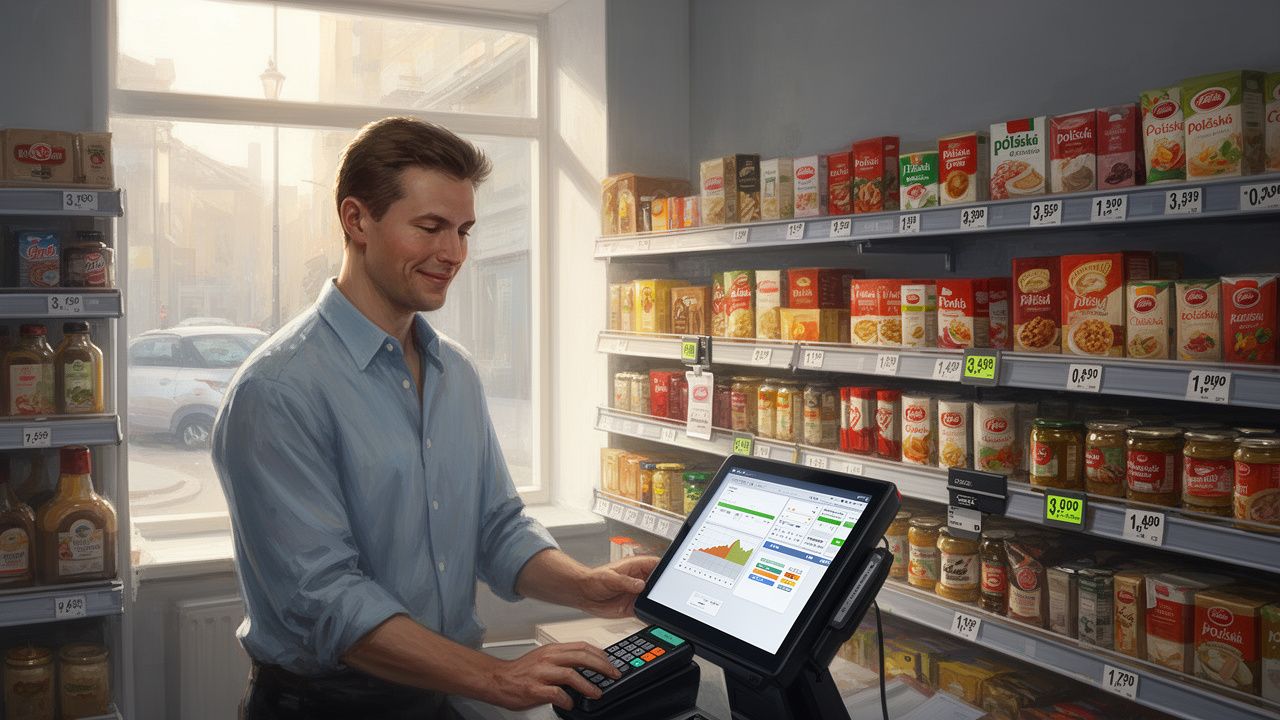
The key turned out to be the modern POS system that the shop had owned for over a year. The system meticulously recorded every transaction, but the collected data was not being used for marketing purposes in any way. Analyzing purchase history revealed clear patterns: groups of customers regularly buying the same meat products, enthusiasts of specific brands of sweets, or people stocking up on Polish dairy products. This data was a goldmine waiting to be discovered.
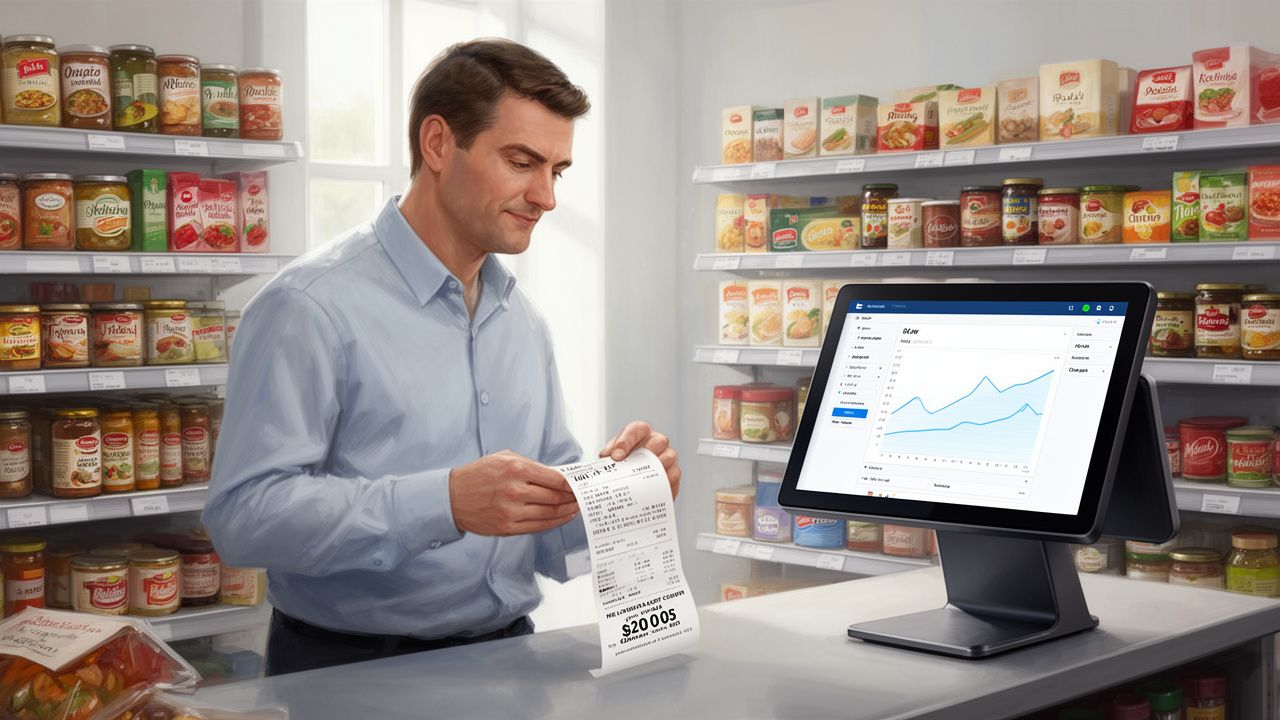
Instead of investing in new software, Mr. Tomasz decided to activate and configure the loyalty module in his existing POS system. The solution was simple and brilliant in its essence: the system, based on the contents of the basket, automatically printed a discount coupon for the next purchase on the receipt. For example, a customer buying bread and butter received a coupon for a discount on Polish ham. A customer buying diapers received a discount on wet wipes. The mechanism was fully automated and did not require additional work from cashiers.
The results exceeded expectations. In the first three months after implementing the system:
The success of Sheffield MiniMart shows that powerful tools for business development are often already at your fingertips. You just need to know how to use them.
The story from Sheffield is inspiring, but how to translate it into the realities of your shop? Below you will find a practical guide that will help you launch a similar system and start reaping the benefits of intelligent marketing.
The first step is a technological audit. Contact your cash register system provider and ask if they offer a module for generating personalized coupons or loyalty programs. Most modern POS systems have this functionality built-in or available as a paid add-on. Also, make sure that your receipt printers can clearly print additional content, including barcodes or QR codes on coupons.
Before launching the system, think about what you want to achieve. Your goal may be:
Start with two or three simple rules. This will make it easier for you to measure their effectiveness.
In the administrative panel of the POS system, create your first campaigns. Here are some proven ideas to start with:
Remember to keep the conditions simple and understandable for the customer.
Your employees are on the front line. Train them on how the system works. They should be able to briefly explain to the customer what the coupon on the receipt means and encourage them to use it. A simple message at the checkout, e.g., “Oh, the system has granted you a special discount on your next purchase!”, can work wonders. This human element reinforces the positive impression and makes the technology more user-friendly.
The key to long-term success is regular analysis of results. At least once a month, check in the POS system reports:
Based on this data, deactivate ineffective promotions and strengthen those that bring the best results. Don’t be afraid to experiment.
Implementing personalized coupons is not a revolution, but an evolution in store management. Instead of relying on intuition and costly, general promotions, you start making decisions based on hard data. The key takeaways are simple:
The upcoming holiday season or vacation period is the perfect time to test new solutions. Check the capabilities of your POS system today. The time invested in configuring intelligent promotions can yield a return in the form of greater customer loyalty and real turnover growth, just like in the case of the shop in Sheffield.