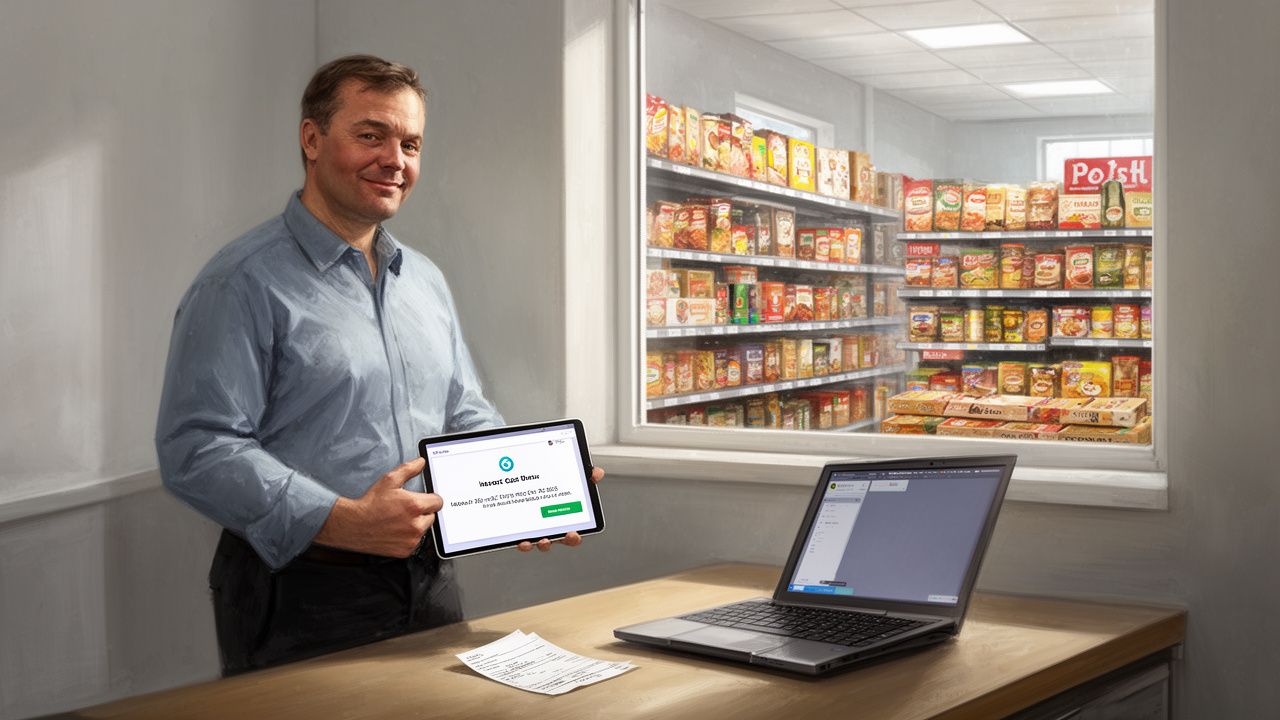


The daily exchange of paper price tags is not just the cost of paper and ink, but primarily your valuable time. See how ESL technology can automate this process, reduce errors, and free up hours that you can dedicate to business development instead of fighting with the printer.
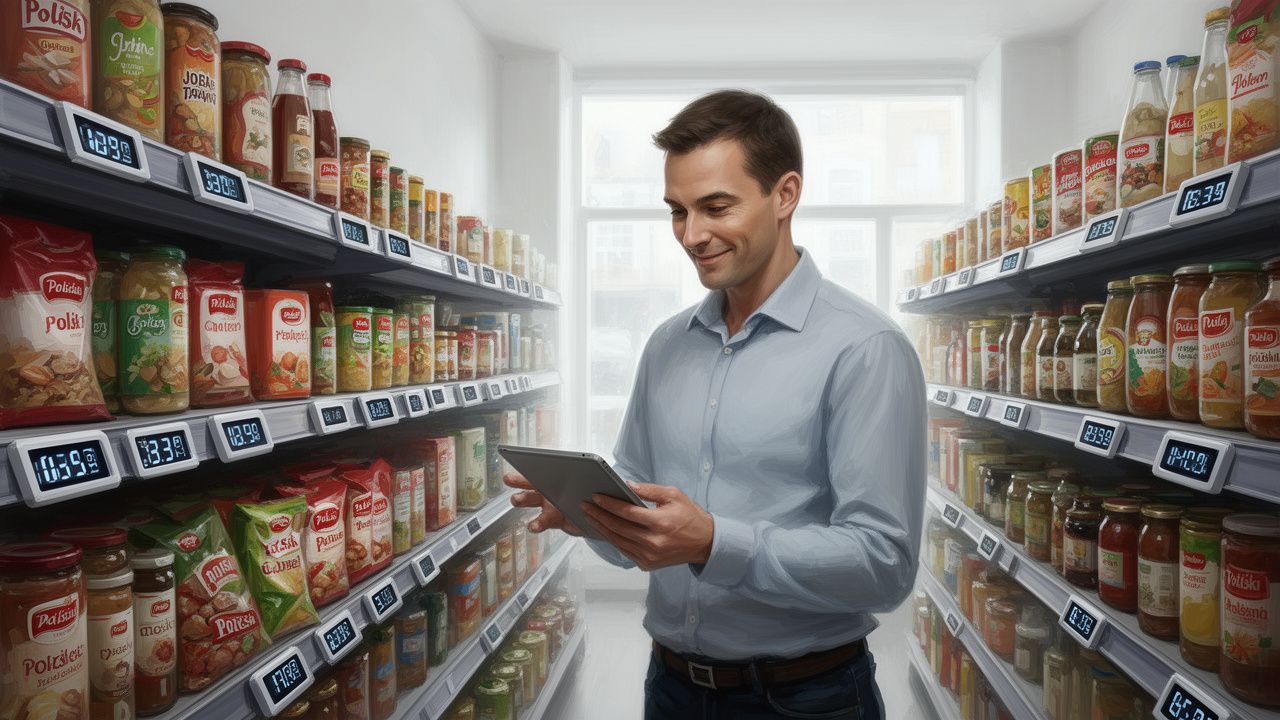
Many Polish shop owners in the UK see manual price changes as an unavoidable, albeit frustrating, part of daily work. Concerns about costs, complicated technology, and a lack of tangible benefits hold them back from modernization. Meanwhile, sticking to paper price tags is like doing accounting in a notebook – it works until you count the hidden costs. It’s time to tackle the most common myths that block your store’s growth.
This is the most common barrier, based on a simple yet mistaken assumption – comparing a one-time technology expense with the seemingly low cost of a roll of paper. The true calculation is much broader. The cost of paper labels is not just the paper and printer toner. It’s primarily the time of your employees, which is your most valuable and expensive resource.
Let’s do the math. Suppose an employee spends an average of just 3 hours a week on the price change process (printing, cutting, searching for products, replacing). At the minimum wage in the UK (around £11), the annual cost of this work alone is over £1700. Additionally, there are costs for consumables – paper, expensive toners, servicing, and depreciation of printers. Suddenly, you find that you spend around £2000-£2500 annually on this process, with the only effect being the maintenance of the status quo.
The ESL system is an investment that pays off much faster than you think, often within 18-24 months. After this period, the technology begins to generate pure savings. More importantly, it frees up staff time that can be dedicated to tasks that genuinely increase sales: better customer service, maintaining product displays (merchandising), or keeping the sales floor tidy. Instead of spending money on a repetitive, ineffective task, you invest in a tool that works for you 24/7.
Real-life example: A store owner in Luton, after implementing the ESL system, reduced the time spent on labeling from 6 hours to less than 30 minutes a week. The saved time was spent by employees on actively advising customers at the meat counter, which directly increased sales in that category by 15%.
Paradoxically, it is the paper label system that is more complicated and prone to human errors. Consider the manual process: an employee must find the product in the POS system, print a new price tag (often on a sheet with many others), cut it precisely, find the product on the shelf among hundreds of similar ones, and finally replace the old label. At each of these stages, they can make a mistake – mix up the product, leave the old price, print the label incorrectly. The result? Price chaos and customer dissatisfaction at the checkout.
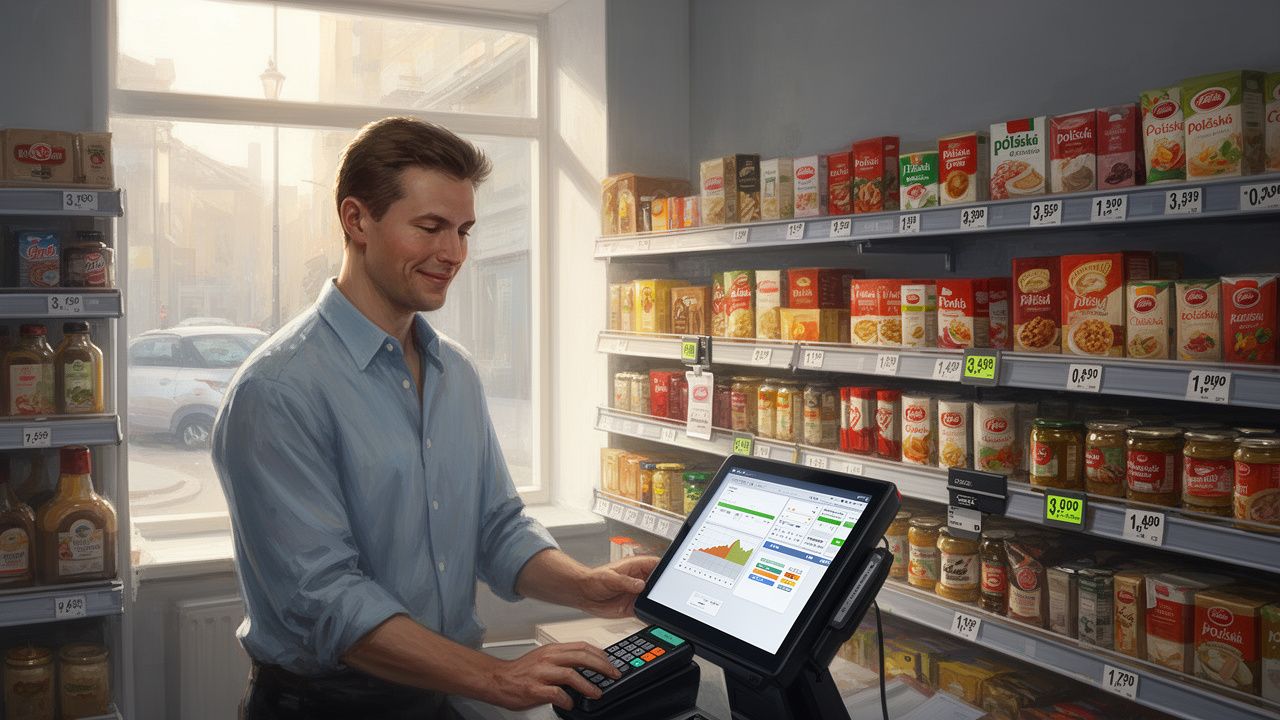
Modern ESL systems are designed with simplicity and integration in mind. Price changes occur centrally, in the store management system or directly in the POS software. It takes just a few clicks to update a product’s price, and that information is wirelessly sent to the appropriate label on the shelf. The change appears within seconds. The entire process is intuitive, quick, and almost completely eliminates the risk of error.
Implementation of the system always includes training for you and your staff. The operation is so simple that any employee who can operate the POS system will easily manage price management in ESL. This technology does not create problems, but solves existing ones by automating the most tedious part of store work.
This is a very dangerous assumption. Customers may not analyze labeling technology, but they certainly pay attention to its effects. The biggest source of frustration in retail is the discrepancy between the price on the shelf and the price at the checkout. Such a situation undermines trust in the store and builds an image of a place that is sloppy or, worse, tries to ‘rip off’ the customer. Each such mistake is a potential loss – either financial (when you have to sell the goods at a lower price) or reputational (when the customer leaves disgusted).
Electronic labels guarantee 100% price compliance throughout the store because they are synchronized with the same database used by the checkout. This builds trust and a professional image. Clean, clear, digital displays look modern and aesthetically pleasing, enhancing the perceived quality of your store.
Moreover, ESL opens doors to strategies that you can only dream of with paper. We are talking about dynamic price management. You can launch ‘happy hours’ on selected products in seconds, introduce flash promotions on items with a short shelf life to minimize losses, or respond immediately to price changes by competitors around the corner. The label ceases to be static information and becomes an active marketing tool.
Real-life example: A store in Birmingham faced weekly complaints about incorrect prices. After installing ESL, the number of complaints dropped by over 95%, and employees could focus on service instead of putting out fires at the checkout.
Treating ESL as a ‘gadget’ is overlooking its fundamental impact on three key pillars of store profitability: costs, revenues, and margins.
The ESL system is not a decoration. It is a strategic analytical and operational tool that elevates store management to a higher level. It gives you data, control, and flexibility – resources essential for competing in today’s dynamic market. Investing in ESL is a business decision that directly translates into financial results and allows you to work smarter, not harder.
Giving up paper labels is a symbolic change – moving from reactive fire-fighting to proactive management of your business. The key benefits you gain are:
The upcoming season means another hundreds of price changes, promotions, and deliveries. You can spend it again by the printer, or you can watch as the prices in your store update themselves. Contact us, and we will help you calculate exactly how much time and money you will save by implementing the ESL system in your store.