Are you wondering what exactly ongoing technical support for the PcMarket system in your store includes? Find out which services are standard and what requires additional payment. This FAQ guide explains the differences between support and implementation, helping you avoid unforeseen costs and ensure the smooth operation of your Polish store in the UK.
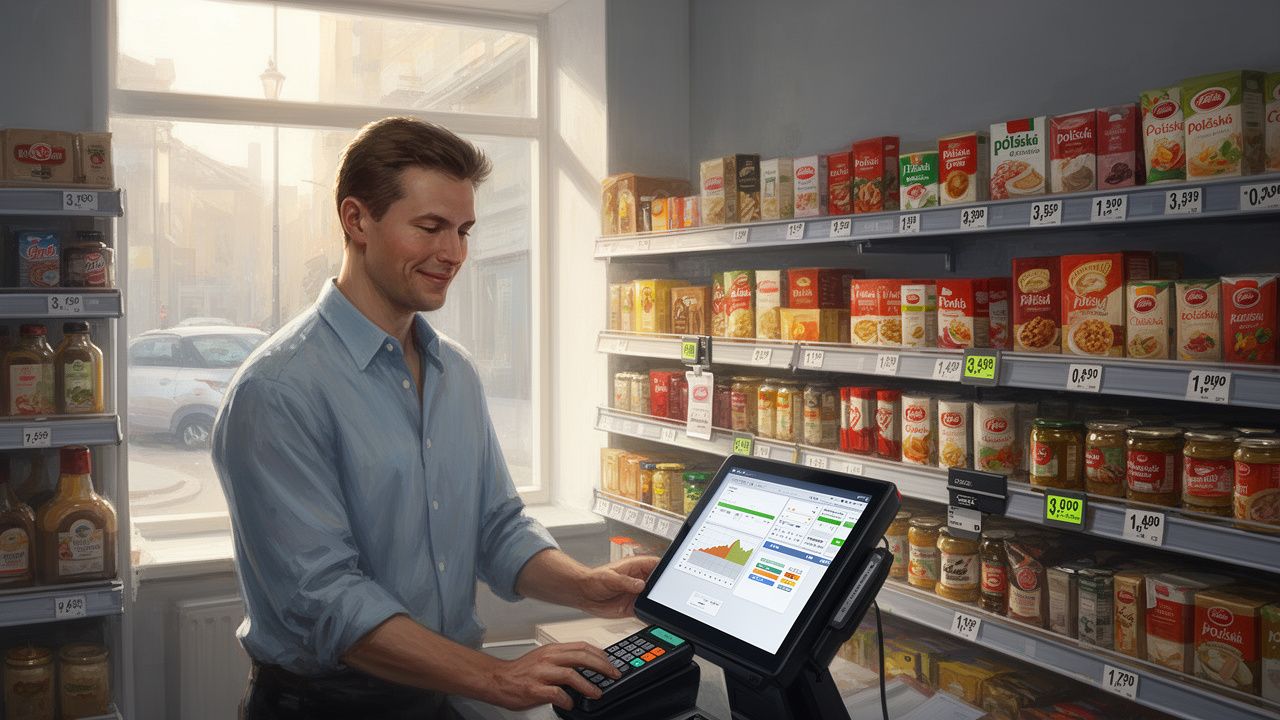
Before we move on to detailed questions, it is crucial to understand the fundamental difference. Ongoing service support (often referred to as a maintenance agreement or SLA – Service Level Agreement) aims to ensure the continuity of operations and the smooth functioning of the existing system. Its task is to respond to failures, solve problems, assist users, and maintain the software in good condition. This can be compared to regular inspections and repairs of a car, which allow it to run smoothly.
Implementation projects, on the other hand, are actions that expand or fundamentally change your technological infrastructure. They include the installation of new cash registers, the implementation of electronic shelf labels (ESL), launching an online store integrated with PcMarket, or installing a monitoring system. These are investments in development that require separate planning, budgeting, and pricing. Mixing these two concepts is the most common source of misunderstandings and frustrations.
This is one of the most common and important questions. The answer is: no, and this is the standard across the IT industry. The technical support subscription primarily covers issues related to software – that is, the PcMarket system and its modules. If the program stops responding, generates an error report, there is a problem with data synchronization between stations, or other irregularities occur in the application’s operation, service intervention is definitely included.
It depends on the source of the problem. If the discrepancy arises from a technical error – for example, the system does not correctly send prices to the labeling scales or electronic shelf labels (ESL) – then diagnosing and fixing such a software defect falls under the service and is covered by the subscription.
However, in over 90% of cases, the problem lies elsewhere – in human factors or procedures. If an employee manually entered the wrong price into the system, forgot to activate a promotion, or set an incorrect term for its validity, this is not a technical failure. In such a situation, the service’s role may be to indicate where the error lies, but correcting it (e.g., manually adjusting hundreds of prices) may be an additional chargeable service. A good practice for implementation companies is to offer training for staff that minimizes the risk of such mistakes. Investing in training is often much cheaper than the costs arising from errors.
Example: A store owner in Birmingham reported continuous problems with promotional prices. Analysis as part of technical support showed that the system was functioning correctly. The problem was the lack of consistency in the promotion entry process by different employees. After a short online training and implementing a simple checklist, the number of errors dropped to almost zero, saving the manager time and eliminating customer frustration at the checkout.
No, installing a new cash register is a classic example of an implementation project, not a task under ongoing support. Remember the basic principle: support is about maintaining what you already have, not building something new.
Implementing a new POS (Point of Sale) station is a process that includes several stages, each requiring work and resources:
Each of these points is work that must be priced separately. The same applies to other development projects, such as implementing an online order management system, installing self-service scales, or integrating with the accounting system.
This depends on whether you have a functioning backup policy. Standard technical support service should include assistance in restoring data from an existing backup. If your system regularly and automatically creates backups, and the technician only needs to initiate the recovery process – such a service is usually included in the subscription.
The problem arises when there is no backup, it is outdated, or damaged. In such cases, attempts to recover data (so-called data recovery) are highly specialized services that are very time-consuming and costly. They are never part of standard support. That is why it is crucial to ensure that your service agreement includes the configuration and supervision of automatic backup creation. This is your most important insurance policy in case of hardware failures, virus attacks, or human errors.
Yes, in the vast majority of cases, access to new software versions and the remote update service are fundamental elements of ongoing support. The system manufacturer, Insoft, regularly publishes updates that include bug fixes, improvements to existing functions, and adjustments to changing regulations (e.g., tax regulations). Your IT service provider should ensure that your system is up to date.
However, one exception should be noted. Sometimes, major, breakthrough software versions appear that require not only a simple update but, for example, migrating the entire database to a new format, replacing the server with a more powerful one, or thoroughly training all staff on the new interface. Such significant changes may be treated as a separate project and priced additionally. It is always worth asking your caretaker whether the upcoming update is standard or “revolutionary”.
Understanding the scope of services is the basis for a healthy and predictable relationship with the IT company. Remember a few key principles:
Don’t wait for a crisis. Take a moment to review your current service agreement or talk to your IT service provider. Make sure you understand exactly what is included in the price and what is not. This knowledge will give you peace of mind, control over costs, and assurance that you know who to rely on when the system needs help.